
Understanding Credit Scores: What Really Impacts Your Rating
Understanding credit scores is essential for anyone navigating modern financial systems. First and foremost, whether you are applying for a loan, renting an apartment, or simply trying to maintain financial stability, your credit score plays a decisive role. At the same time, despite its importance, many people misunderstand what truly affects this number and how everyday actions influence it.
In this comprehensive guide, you will learn what really impacts your credit score, why certain factors matter more than others, and how credit behavior shapes your financial reputation over time. Most importantly, this article focuses on clarity, education, and long-term understanding rather than shortcuts or misleading promises.
What Is a Credit Score?
To begin with, a credit score is a numerical representation of how reliably someone manages borrowed money. In simple terms, it reflects trust. Lenders, financial institutions, and service providers use this score to estimate the likelihood that a borrower will repay debts on time.
Additionally, although different scoring models exist, most credit systems rely on similar behavioral data. It is important to note that a credit score is not a judgment of income, intelligence, or personal success. Instead, it is a pattern-based evaluation built from past financial actions.
Because of this, credit scores are dynamic rather than fixed. Over time, every reported action contributes to a broader financial picture that evolves continuously.
Why Credit Scores Matter More Than Ever
In today’s financial environment, credit scores influence far more than loan approvals. For example, they often affect interest rates, insurance premiums, rental decisions, and even utility deposits. As a result, maintaining a healthy credit profile has become a core component of financial stability.
Furthermore, a strong credit score provides flexibility. Specifically, it allows individuals to respond more easily to unexpected expenses, financial opportunities, or life changes. Conversely, weak credit frequently limits options and increases overall costs.
Therefore, understanding what truly drives credit scores empowers individuals to make informed decisions rather than relying on assumptions or widespread myths.
The Main Factors That Impact Your Credit Score
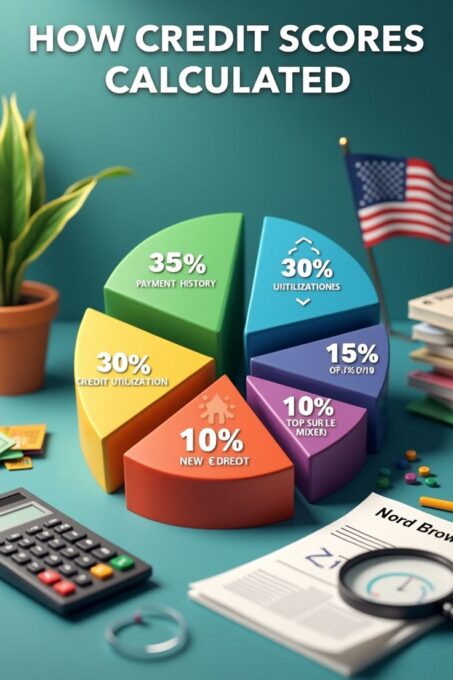
Generally speaking, although scoring formulas are proprietary, most credit models evaluate similar core categories. Notably, each factor carries a different level of importance.
Payment History
Without question, payment history is the most influential factor in credit scoring. Essentially, it reflects whether bills, loans, and credit accounts are paid on time.
When payments are consistent, they signal reliability. On the other hand, late payments, missed payments, or defaults can significantly lower a score. Even so, while a single missed payment may remain visible for years, its impact usually fades as positive behavior continues.
Importantly, frequency matters. For instance, repeated late payments suggest ongoing risk, whereas isolated incidents generally have a more limited long-term effect.
Credit Utilization
Next, credit utilization refers to how much available credit is being used at any given time. In practice, this factor focuses primarily on revolving credit, such as credit cards.
In most cases, lower utilization indicates better financial balance. By contrast, using a large percentage of available credit can suggest financial strain, even when payments are made on time.
Because utilization is calculated continuously, balances can influence scores from month to month, making this factor especially important for ongoing management.
Length of Credit History
Another key element is the length of credit history, which measures how long accounts have been active. Naturally, older accounts provide more data, helping scoring systems evaluate long-term behavior.
For this reason, closing long-standing accounts can sometimes reduce average account age. As a result, longevity often benefits credit stability when paired with responsible use.
Meanwhile, newer borrowers are not unfairly penalized. Instead, time gradually strengthens credit profiles when positive behavior is maintained.
Credit Mix
In addition, credit mix refers to the variety of credit types used over time. Typically, this includes revolving credit, installment loans, and other borrowing forms.
Although a diverse credit profile demonstrates experience, this factor carries less weight than payment history or utilization. Therefore, opening unnecessary accounts solely to improve credit mix is rarely advisable.
New Credit Activity
Finally, new credit activity includes recently opened accounts and credit inquiries. Generally, applying for multiple accounts within a short period may signal increased risk.
That said, occasional applications are normal. Over time, as accounts age and payments remain consistent, the temporary impact of new credit activity usually diminishes.
Common Misunderstandings About Credit Scores
Despite widespread discussion, credit scores are often misunderstood. Consequently, clearing up these misconceptions helps prevent costly mistakes.
Income Does Not Directly Affect Credit Scores
First of all, income level does not automatically produce a higher credit score. This is because scoring models focus on behavior rather than earnings.
In fact, someone with modest income but consistent payment habits may have stronger credit than a high earner with irregular payments.
Checking Your Own Credit Does Not Hurt Your Score
Secondly, reviewing personal credit reports or scores does not negatively impact ratings. These checks, known as soft inquiries, do not signal borrowing risk.
As a result, monitoring credit regularly helps identify errors, track progress, and detect unusual activity early.
Closing Accounts Is Not Always Helpful
Finally, closing unused credit accounts may seem responsible. However, doing so can reduce available credit and shorten account history.
In many situations, keeping accounts open with minimal activity actually supports healthier utilization and account longevity.
How Everyday Financial Habits Shape Credit
Ultimately, credit scores are built through routine behavior rather than major financial events alone. Therefore, small, consistent actions often have the greatest long-term impact.
For example, paying bills on time, maintaining balanced credit usage, and avoiding unnecessary borrowing all contribute to steady improvement.
Equally important, patience plays a role. In reality, credit growth is gradual, and sustainable progress usually occurs over months or years rather than days.
Why Credit Improvement Takes Time
From a broader perspective, credit systems are designed to measure patterns, not isolated moments. Because of this, improvement requires consistency.
Over time, negative marks fade as positive activity accumulates. While some changes may appear within months, meaningful stability often takes longer.
Understanding this timeline helps set realistic expectations and reduces frustration.
Building a Healthy Credit Mindset
Beyond numbers, building strong credit involves adopting responsible financial habits. Specifically, viewing credit as a long-term tool rather than short-term leverage encourages sustainable decisions.
In the long run, this mindset supports financial flexibility, resilience, and confidence.
Final Thoughts
In conclusion, understanding what really impacts your credit score begins with recognizing that behavior matters more than shortcuts. Above all, payment consistency, balanced credit usage, and time play essential roles.
By focusing on informed habits, rather than quick fixes, individuals can build credit profiles that support long-term financial stability and opportunity.