
Essential Features to Look for in Personal Finance Apps
Choosing the right personal finance app can significantly influence how effectively individuals manage their money. However, with many options available, identifying which features truly matter often becomes confusing. Fortunately, understanding essential features helps users select tools that align with their financial needs and daily routines.
Moreover, personal finance apps are not only about tracking expenses. Instead, they provide structure, clarity, and consistency that support better financial habits over time. Therefore, evaluating features carefully ensures that users gain long-term value rather than temporary convenience.
This article explains the most essential features to look for in personal finance apps, why each feature matters, and how these tools support practical financial organization without unnecessary complexity.
Why Features Matter in Personal Finance Apps
Personal finance apps vary widely in design and functionality. Consequently, some apps feel intuitive and helpful, while others feel overwhelming or incomplete. Features determine whether an app supports everyday financial tasks efficiently.
Additionally, essential features reduce friction in financial management. When tasks feel simple and organized, users remain consistent. As a result, consistency leads to better outcomes and stronger financial awareness.
Understanding features also helps users avoid tools that promise too much while delivering little. Therefore, feature evaluation protects users from unnecessary frustration.
User-Friendly Interface and Navigation
A user-friendly interface is one of the most important features in any personal finance app.
Clear Layout and Design
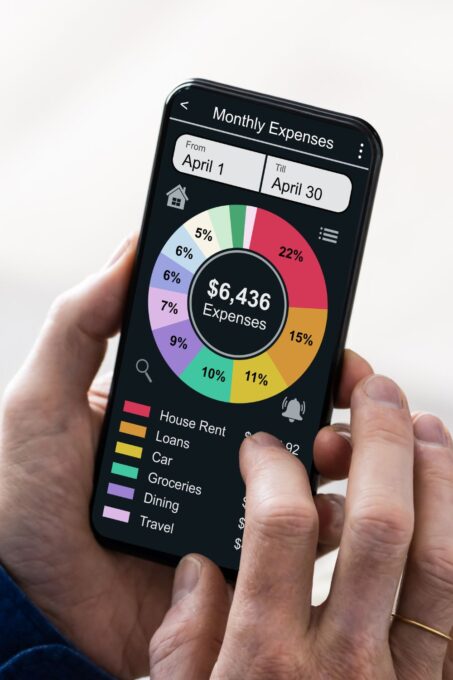
First, a clean layout helps users locate information quickly. When dashboards display income, expenses, and balances clearly, users understand their financial status instantly.
This clarity supports simple money management, especially for beginners.
Intuitive Navigation
Second, intuitive navigation ensures that users can move between sections effortlessly. If menus feel confusing, users may abandon the app. Therefore, ease of navigation directly impacts long-term usage.
Apps with intuitive design support everyday financial organization without unnecessary learning curves.
Accurate Expense Tracking Capabilities
Expense tracking is a core function of personal finance apps. Therefore, accuracy and clarity are essential.
Transaction Recording
Effective apps record expenses reliably. Whether entered manually or automatically, transactions should reflect actual spending patterns.
Accurate records support monthly expense tracking and prevent budgeting errors.
Custom Expense Categories
Custom categories allow users to tailor tracking to personal habits. Consequently, spending analysis becomes more relevant and meaningful.
This customization improves expense categorization tools significantly.
Budget Creation and Monitoring Tools
Budgeting features transform raw data into actionable insights.
Flexible Budget Setup
A good app allows users to create budgets easily. Whether based on fixed amounts or flexible ranges, budget setup should feel intuitive.
Flexible budgets support personal budget planning without rigid limitations.
Budget Alerts and Notifications
Notifications alert users when spending approaches limits. As a result, users remain aware without constant checking.
Alerts support budget monitoring features that encourage proactive financial behavior.
Financial Goal Tracking Features
Goal tracking motivates users to stay consistent with financial plans.
Clear Goal Definition
Effective apps allow users to define clear goals, such as saving for emergencies or planned expenses. Consequently, goals become measurable and realistic.
Goal definition strengthens financial goal management.
Progress Visualization
Visual progress indicators motivate users. Therefore, seeing incremental progress encourages continued effort.
Progress tracking supports long-term financial planning effectively.
Reporting and Financial Insights
Reports transform data into understanding.
Spending Summaries
Monthly summaries provide a complete view of income and expenses. As a result, users can reflect on financial performance objectively.
Summaries support spending overview tools.
Trend Analysis
Trend analysis shows changes over time. Therefore, users can identify improvement or potential issues early.
Trend insights enhance financial awareness tools.
Data Security and Privacy Protection
Security is essential when handling financial information.
Secure Authentication
Apps should offer strong authentication methods, such as passwords or biometric access. Consequently, unauthorized access becomes less likely.
Secure access supports financial data protection.
Transparent Data Policies
Clear privacy policies explain how data is used. Therefore, users can make informed decisions about sharing information.
Transparency improves personal data security awareness.
Customization and Personalization Options
Customization improves relevance and usability.
Adjustable Categories and Labels
Personalized categories reflect real spending habits. As a result, tracking becomes more accurate.
Customization enhances custom finance tracking experiences.
Personalized Insights
Some apps offer insights based on user behavior. Therefore, guidance feels relevant rather than generic.
Personalization strengthens financial insight tools.
Cross-Device Accessibility
Modern users access apps across multiple devices.
Mobile and Desktop Access
Apps that sync across devices provide flexibility. Consequently, users can check finances anytime.
Cross-device access supports digital financial management seamlessly.
Cloud Synchronization
Cloud sync ensures data consistency. Therefore, information remains accurate across platforms.
Synchronization improves real-time financial updates.
Support for Manual and Automated Tracking
Different users prefer different tracking methods.
Manual Entry Options
Manual entry encourages mindful spending. Therefore, some users prefer direct input.
Manual options support intentional expense tracking.
Automated Tracking Features
Automation saves time and reduces errors. As a result, automated tracking improves consistency.
Automation supports automated finance tools effectively.
Educational and Guidance Features
Education supports better decision-making.
Financial Tips and Insights
Some apps include educational tips. Consequently, users learn while managing finances.
Education improves financial literacy tools.
Contextual Guidance
Guidance linked to spending behavior helps users understand decisions. Therefore, learning becomes practical.
Contextual support strengthens money management education.
Performance and Reliability
Reliability ensures trust.
App Stability
Stable apps reduce frustration. As a result, users feel confident relying on the tool.
Stability supports reliable finance apps.
Regular Updates
Frequent updates improve functionality and security. Therefore, active development signals reliability.
Updates strengthen long-term app usability.
Scalability for Changing Financial Needs
Financial needs evolve over time.
Support for Income Changes
Apps should adapt to income changes easily. Consequently, users avoid restarting systems.
Scalability supports flexible financial planning.
Advanced Features for Growth
As users gain experience, advanced features become valuable. Therefore, scalable apps grow with users.
Scalability improves financial management growth.
Accessibility and Inclusivity
Accessibility ensures broader usability.
Simple Language
Clear language supports understanding. As a result, users of all backgrounds can engage.
Language clarity enhances user-friendly finance apps.
Visual Accessibility
Readable fonts and contrast support accessibility. Therefore, usability improves for all users.
Accessibility supports inclusive financial tools.
Common Mistakes When Choosing Personal Finance Apps
Many users focus on appearance rather than functionality.
Ignoring Core Features
Choosing apps without essential features leads to frustration. Therefore, feature evaluation is critical.
Overcomplicating Financial Tools
Too many features can overwhelm users. As a result, simplicity often delivers better outcomes.
Avoiding complexity supports effective money management.
How to Evaluate Personal Finance Apps Effectively
Evaluating apps requires a structured approach.
Identify Personal Priorities
Understanding goals helps narrow options. Therefore, users should list essential features first.
Priority identification supports personal finance planning.
Test Features Gradually
Testing features ensures compatibility with habits. As a result, users avoid long-term dissatisfaction.
Gradual testing improves app selection strategies.
The Long-Term Value of Feature-Rich Personal Finance Apps
Feature-rich apps provide sustained value.
Habit Formation
Consistent feature use builds habits. Consequently, financial management becomes routine.
Habit formation strengthens financial discipline tools.
Improved Financial Confidence
Understanding finances builds confidence. Therefore, users make decisions more comfortably.
Confidence supports financial self-control.
Conclusion
Selecting the right personal finance app requires careful evaluation of essential features. From user-friendly design and accurate expense tracking to budgeting tools and security protections, each feature contributes to effective financial management.
Moreover, feature-rich apps support long-term habits, financial awareness, and confidence. When users choose tools aligned with their needs, personal finance management becomes simpler, clearer, and more sustainable.
Ultimately, understanding essential features empowers users to make informed choices and manage finances with consistency and clarity.