
Finance App Security: How Safe Are Personal Finance Apps?
Digital financial tools have become part of everyday life. As people rely more on mobile and web-based solutions to manage money, questions about safety naturally increase. Therefore, understanding finance app security is essential for anyone using personal finance apps regularly.
Moreover, personal finance apps store sensitive information such as spending habits, income details, and financial behavior. Consequently, users must feel confident that their data is handled responsibly. When security is overlooked, trust erodes quickly.
This article explains how finance app security works, which protections matter most, and how users can evaluate whether personal finance apps are truly safe for long-term use.
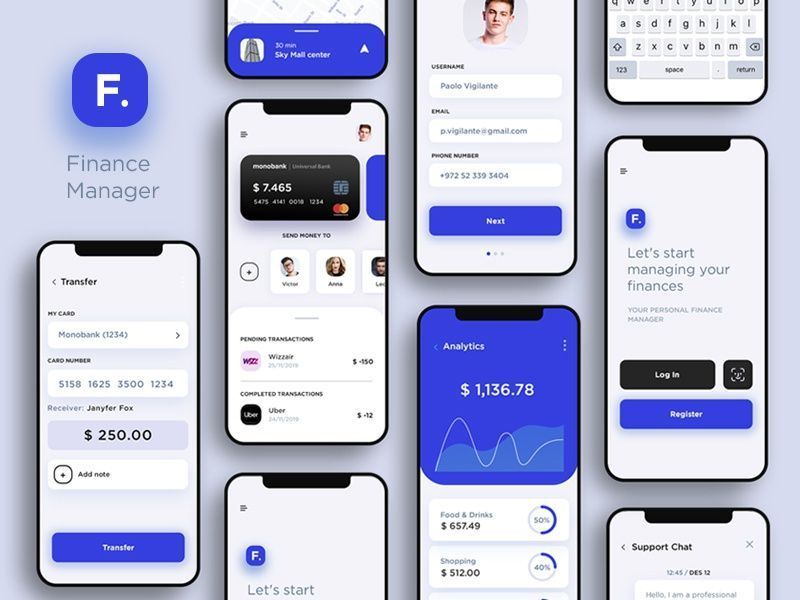
Why Finance App Security Matters
Security is the foundation of any financial tool. Without strong protections, even the most useful app becomes unreliable.
First, personal finance apps centralize financial data. As a result, unauthorized access could expose sensitive information. Therefore, finance app security ensures that data remains private and protected.
Additionally, secure apps build trust. When users trust an app, they engage consistently. Consequently, consistent use leads to better financial organization and awareness.
What Personal Finance Apps Typically Store
Understanding stored data helps clarify why security matters.
Financial Transactions
Most apps store transaction records. These records reveal spending habits and financial routines.
Protecting transaction data is a key part of finance app security.
Personal Identifiers
Some apps store names, email addresses, and device information. Therefore, safeguarding identity-related data is essential.
Behavioral Data
Apps may analyze user behavior to provide insights. As a result, behavioral data also requires protection.
Core Principles of Finance App Security
Security relies on several core principles that work together.
Confidentiality
Confidentiality ensures that data is accessible only to authorized users. Consequently, encryption and authentication support this principle.
Integrity
Integrity ensures that data remains accurate and unchanged. Therefore, apps must prevent unauthorized modifications.
Availability
Availability ensures that users can access data when needed. As a result, secure systems balance protection and accessibility.
These principles form the foundation of finance app security.
Data Encryption and Secure Storage
Encryption is one of the most important security measures.
Encryption at Rest
Data stored on servers should be encrypted. Therefore, even if systems are compromised, information remains unreadable.
Encryption at rest strengthens financial data protection.
Encryption in Transit
Data sent between devices must also be encrypted. Consequently, interception becomes ineffective.
Secure transmission supports secure finance apps reliability.
Authentication and User Access Controls
Authentication prevents unauthorized access.
Password Protection
Strong password requirements reduce vulnerability. Therefore, apps encourage secure credentials.
Password security supports finance app security directly.
Biometric Authentication
Biometric options such as fingerprints add an extra layer of protection. As a result, access becomes more secure.
Biometric access improves secure personal finance apps usability.
Role of Permissions and User Control
User control enhances security transparency.
App Permissions
Finance apps request permissions for specific functions. Therefore, users should review permissions carefully.
Permission awareness supports user data protection.
Data Access Settings
Some apps allow users to control data sharing. Consequently, users decide how information is used.
Control features strengthen privacy-focused finance apps.
Privacy Policies and Transparency
Transparency builds trust.
Clear Privacy Policies
Clear explanations help users understand data handling. Therefore, transparency reduces uncertainty.
Privacy clarity supports finance app security awareness.
Data Usage Disclosure
Apps should disclose how data is processed. As a result, users make informed decisions.
Disclosure supports responsible financial apps.
How Finance Apps Protect Against Cyber Threats
Cyber threats evolve constantly. Therefore, security measures must adapt.
Threat Monitoring
Apps monitor systems for suspicious activity. Consequently, early detection prevents escalation.
Monitoring supports secure financial platforms.
Regular Security Updates
Frequent updates fix vulnerabilities. As a result, apps remain resilient.
Updates strengthen finance app security continuously.
Common Security Features in Finance Apps
Security features vary but often include essential protections.
Session Timeouts
Automatic logouts prevent unauthorized access. Therefore, inactive sessions remain protected.
Device Recognition
Recognizing trusted devices adds another layer. Consequently, unfamiliar access attempts trigger alerts.
These features improve secure finance app usage.
Risks Associated With Weak Security
Weak security creates significant risks.
Data Breaches
Breaches expose sensitive information. As a result, financial privacy is compromised.
Preventing breaches is central to finance app security.
Identity Exposure
Exposed identifiers increase fraud risks. Therefore, strong protection is essential.
Identity safety supports personal data security.
How Users Can Evaluate Finance App Security
Users play a role in security evaluation.
Reviewing Security Settings
Checking settings reveals available protections. Therefore, users should enable all security options.
Active review improves secure app practices.
Understanding App Reputation
Reputation reflects reliability. Consequently, established apps often follow stronger security standards.
Reputation awareness supports trustworthy finance apps.
User Responsibilities in Maintaining Security
Security is a shared responsibility.
Keeping Apps Updated
Updates fix vulnerabilities. Therefore, users should install updates promptly.
Updates support ongoing finance app security.
Using Secure Devices
Secure devices reduce risks. Consequently, device protection complements app security.
Device safety strengthens overall financial security.
Security and Shared Finance Apps
Shared access introduces additional considerations.
Controlled Access Levels
Apps may offer role-based access. Therefore, users can limit permissions.
Controlled access supports secure shared finance tools.
Activity Monitoring
Monitoring shared activity improves accountability. As a result, transparency increases.
Monitoring enhances secure household finance apps.
The Balance Between Convenience and Security
Security should not sacrifice usability.
Simplified Security Measures
Effective apps balance protection and ease. Therefore, users remain engaged.
Balanced design supports user-friendly finance app security.
Avoiding Overcomplication
Overly complex security discourages use. Consequently, simplicity matters.
Simple security supports consistent financial tracking.
Regulatory Influence on Finance App Security
Regulations influence app design.
Data Protection Standards
Regulations require responsible data handling. Therefore, compliance improves security.
Standards support regulated finance apps.
Accountability Measures
Accountability ensures consequences for negligence. As a result, developers prioritize protection.
Accountability strengthens secure financial ecosystems.
Future Trends in Finance App Security
Security continues to evolve.
Advanced Authentication Methods
New authentication improves protection. Therefore, security becomes more adaptive.
Advancements support next-generation finance app security.
Intelligent Threat Detection
Intelligent systems detect threats faster. Consequently, response times improve.
Innovation strengthens secure digital finance tools.
Common Misconceptions About Finance App Security
Misconceptions can lead to risky behavior.
Free Apps Are Always Unsafe
Cost does not determine security. Therefore, free apps can be secure.
This understanding supports informed finance app choices.
Security Is Automatic
Security requires user participation. Consequently, engagement matters.
Awareness improves secure app usage habits.
Long-Term Benefits of Secure Finance Apps
Security delivers lasting value.
Increased Confidence
Confidence grows with protection. Therefore, users manage finances comfortably.
Confidence supports financial peace of mind.
Reduced Stress
Secure systems reduce worry. Consequently, financial stress decreases.
Reduced stress highlights finance app security benefits.
Conclusion
Understanding finance app security is essential for anyone using personal finance apps. Strong protections, transparent practices, and user awareness work together to safeguard sensitive information.
Moreover, secure apps promote trust, consistency, and long-term financial organization. When users choose apps thoughtfully and engage with security features actively, personal finance management becomes safer and more effective.
Ultimately, finance app security is not optional. Instead, it is a fundamental requirement for responsible and confident digital financial management.