
How to Build an emergency fund From Zero
Life is unpredictable. One moment everything feels stable, and the next moment something unexpected happens: a job loss, a medical expense, a car repair, or a sudden financial shock. However, when you have an emergency fund, instead of panicking, stressing, or falling into debt, you face situations with security and emotional calm. That is why building an emergency fund is one of the most important steps in personal finance.
Although many people believe that creating an emergency fund is difficult, slow, or impossible, the truth is that anyone can build one with planning, patience, and consistent effort. Therefore, this complete and human guide will show you how to understand, create, grow, protect, and successfully maintain your emergency fund, even if you are starting with little money.
And now, let’s begin.
What an emergency fund really is and why it matters
Before building your emergency fund, you first need to understand what it truly is and why it can change your life.
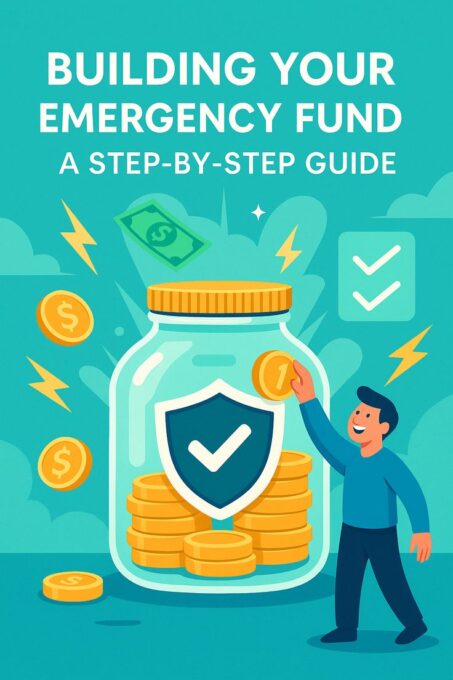
What is an emergency fund?
An emergency fund is money saved specifically for unexpected and urgent situations. It is not for vacations, shopping, new gadgets, or luxuries. Instead, it exists to protect you when life surprises you financially.
Why an emergency fund is essential
Having an emergency fund:
- Prevents panic during financial crises
- Protects you from debt and high-interest loans
- Creates emotional peace and mental stability
- Gives you independence and control
- Helps you handle life’s uncertainties
Without an emergency fund, financial emergencies become financial disasters. With one, they simply become manageable challenges.
How much should your emergency fund have?
One of the biggest questions people have is how much their emergency fund should contain. Although the exact number may vary, financial specialists generally recommend:
Minimum level of an emergency fund
Start with a small target such as:
- $300
- $500
- $1,000
This creates instant protection against small emergencies and gives you motivation to continue saving.
Ideal level of an emergency fund
The best recommendation is:
- 3 to 6 months of essential living expenses
This means your emergency fund should be able to cover:
- Rent or housing
- Food
- Utilities
- Transportation
- Basic necessities
This level gives you true stability.
Step 1: Understand your financial reality before building your emergency fund
Before starting your emergency fund, you need clarity about your current financial life.
Track your expenses
Write down everything you spend monthly. This helps you discover:
- How much you truly need to live
- Where money is being wasted
- How much you can realistically save
A successful emergency fund begins with awareness.
Step 2: Set a clear goal for your emergency fund
Your emergency fund needs direction, and that direction comes from clear goals.
Break your goal into phases
Instead of thinking “I need 6 months saved,” do it step by step:
- Phase 1: $300 – $500
- Phase 2: $1,000
- Phase 3: 3 months of expenses
- Phase 4: 6 months of expenses
This makes your emergency fund easier, motivating, and achievable.
Step 3: Start saving money, even if it is a small amount
Many people delay their emergency fund because they believe they need a lot of money to start. However, the most important thing is not the amount; it is consistency.
Small savings create big results
You can begin your emergency fund with:
- $5 a week
- $10 a month
- Spare change
- Extra small income
Every deposit makes your future safer.
Step 4: Separate your emergency fund from daily money
For your emergency fund to work, it must be protected from temptation.
Where to keep your emergency fund
The best options include:
- Separate savings account
- High-yield savings account
- Digital banking savings section
The key rule is: your emergency fund should be easy to access in real emergencies but not so easy that you spend it impulsively.
Step 5: Cut unnecessary expenses to grow your emergency fund
If your income is limited, cutting expenses may help your emergency fund grow faster.
Identify expenses you can reduce
Look at:
- Subscriptions you don’t use
- Eating out frequently
- Impulse online shopping
- Unnecessary luxuries
Every dollar saved can go to your emergency fund.
Step 6: Use extra income to boost your emergency fund
When possible, extra income can accelerate your emergency fund dramatically.
Ways to increase income
You can earn extra money through:
- Freelancing
- Simple side hustles
- Selling items you no longer use
- Temporary work
Instead of spending unexpected income, direct it to your emergency fund.
Step 7: Avoid using your emergency fund for non-emergencies
Your emergency fund is powerful only when used correctly.
What counts as a real emergency?
Your emergency fund should only be used for:
- Medical emergencies
- Necessary car repair
- Job loss
- Critical home repair
- Essential unexpected expenses
Not for vacations, shopping, or unnecessary wants.
Step 8: Rebuild your emergency fund whenever you use it
If you ever need to use your emergency fund, do not feel guilty. That is exactly why it exists. However, once the emergency passes, start rebuilding it again.
Restart with discipline
Simply return to:
- Saving consistently
- Focusing on your goal
- Staying motivated
Your emergency fund is a living protection system.
Common mistakes when building an emergency fund
To ensure success, avoid these frequent mistakes:
- Thinking you need a lot to start
- Using the fund for shopping
- Mixing it with daily money
- Giving up too early
- Not being consistent
Your emergency fund grows through patience and discipline.
Emotional benefits of having an emergency fund
The emergency fund is not only financial; it is emotional security.
Mental peace
You sleep better knowing life’s surprises won’t destroy your finances.
Confidence and independence
You rely less on loans, credit cards, and financial stress.
Final Thoughts
Building an emergency fund from zero may seem challenging at first, however it is one of the wisest and most life-changing financial decisions you can make. Even small steps create big protection. With patience, consistency, discipline, and determination, your emergency fund will grow, and with it, your stability, peace, and confidence will grow too.
Because ultimately, your emergency fund is not just money; it is security, strength, and freedom for your future.