
How to Apply the 50-30-20 rule in Real Life
The world constantly talks about budgets, planning, discipline, and financial control. However, many people still feel lost when it comes to managing money in a simple and effective way. That is why the 50-30-20 rule has become so popular: it offers a clear structure, an easy system, and a realistic approach to personal finance that truly works in everyday life.
Although the 50-30-20 rule seems simple, its power is enormous when applied consistently. It helps people gain financial control, reduce stress, stop living paycheck to paycheck, and finally start building stability and future security. Therefore, this complete guide will show you how to understand, apply, adapt, and succeed using the 50-30-20 rule, even if your income is not very high or your situation is currently challenging.
And now, let’s begin step by step.
Understanding What the 50-30-20 rule Really Means
Before applying the 50-30-20 rule, you need to understand what it actually represents and how it transforms the way you relate to money.
What Is the 50-30-20 rule?
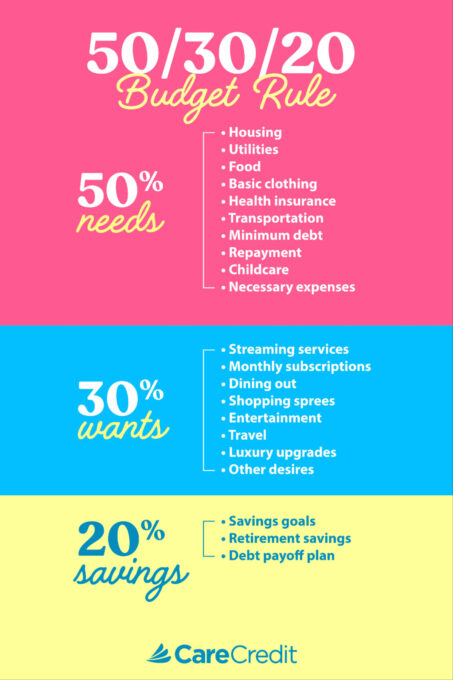
The 50-30-20 rule is a simple budgeting method that divides your income into three main categories:
- 50% for Needs
- 30% for Wants
- 20% for Savings and Debts
Although it looks basic, this structure forces you to think clearly about your priorities, responsibilities, and future financial security.
Why the 50-30-20 rule Is So Effective
The 50-30-20 rule is powerful because it is easy to understand, simple to maintain, and adaptable to different realities. Instead of complicated formulas, the system uses logic: survive, live, and grow.
And because many financial systems fail due to complexity, the 50-30-20 rule succeeds thanks to simplicity.
Step 1: Calculate Your Real Income Before Applying the 50-30-20 rule
To apply the 50-30-20 rule, you must first know your real income, meaning the money you actually receive, not your gross salary.
Determine Your Net Income
Include:
- Monthly salary after taxes
- Self-employment earnings
- Commissions
- Side hustle income
Because the 50-30-20 rule works only when based on real numbers, not estimates.
Understand Financial Consistency
If your income varies, do the following:
- Calculate an average of past months
- Or use your lowest income month as base
This way, the 50-30-20 rule remains safe, realistic, and stress-free.
Step 2: Allocate 50% of Your Income to Needs According to the 50-30-20 rule
The first and most important category of the 50-30-20 rule is Needs. These are expenses you truly cannot live without.
What Counts as Needs in the 50-30-20 rule
Needs include:
- Rent or mortgage
- Utilities (water, electricity, gas)
- Basic groceries
- Transportation for work or essential activities
- Basic healthcare
- Minimum debt payments
Anything necessary for survival and essential functioning fits here.
Avoid Confusing Wants with Needs
This is where many people fail the 50-30-20 rule. They misclassify desires as needs, such as:
- Eating out frequently
- Upgrading phones unnecessarily
- Brand-name luxury items
Although you may “feel” they are important, they are not essential needs.
Step 3: Allocate 30% to Wants Under the 50-30-20 rule
The 50-30-20 rule is not about suffering or removing joy from life. Instead, it respects enjoyment while keeping it under control.
What Are Wants in the 50-30-20 rule?
Wants include:
- Restaurants
- Entertainment
- Streaming services
- Shopping for non-essential items
- Travel
- Personal luxuries
These things improve life, happiness, and comfort, but they are not mandatory for survival.
Why the Wants Category Is Important
Many people think saving money means eliminating joy. However, the 50-30-20 rule proves that balance is healthy. Allowing controlled enjoyment prevents frustration and emotional spending.
Step 4: Allocate 20% to Savings and Financial Growth in the 50-30-20 rule
The final and most powerful part of the 50-30-20 rule is the savings section. This category ensures your financial progress and future security.
What Goes Into the 20% of the 50-30-20 rule
You should include:
- Emergency fund contributions
- Investments
- Extra payments on debts
- Long-term savings
- Retirement planning
These actions build stability, protection, and freedom.
Emergency Fund First
Using the 50-30-20 rule, your first goal should be to create financial protection. Start by building an emergency fund to handle unexpected events, because life is unpredictable and financial preparation creates peace of mind.
How to Start Using the 50-30-20 rule in Daily Life
Although understanding the 50-30-20 rule is important, implementation is what truly changes your financial reality.
Track Your Expenses
To make the 50-30-20 rule work:
- Write down expenses
- Use spreadsheets
- Or finance apps
Tracking reveals mistakes, opportunities, and behaviors.
Be Honest with Yourself
Success with the 50-30-20 rule depends on honesty. If you spend more than you admit, the rule cannot help you. Transparency equals transformation.
Adapting the 50-30-20 rule to Different Financial Realities
Many people worry that their income is too low or their costs are too high. However, the 50-30-20 rule is flexible.
If Your Needs Exceed 50%
This happens often. Therefore:
- Reduce non-essential spending
- Negotiate bills
- Consider cheaper alternatives
- Work toward lowering fixed expenses
Gradually adjust until closer to the 50-30-20 rule balance.
If 30% for Wants Feels Too Much
Some prefer saving more. Therefore, you may do:
- 50-20-30
- Or 60-10-30
The 50-30-20 rule is a guide, not a prison.
Common Mistakes People Make with the 50-30-20 rule
To truly succeed with the 50-30-20 rule, avoid these mistakes:
- Calling luxuries “needs”
- Not tracking expenses
- Giving up too soon
- Ignoring unexpected financial events
- Not adjusting when life changes
Consistency and flexibility create success.
Why the 50-30-20 rule Improves Mental and Financial Health
Money stress affects sleep, relationships, work performance, and happiness. However, the 50-30-20 rule brings structure, clarity, and emotional peace.
When you control money, money stops controlling you.
Final Thoughts
Applying the 50-30-20 rule in real life may feel challenging at first, however it is one of the simplest and most powerful ways to transform your financial life. By organizing needs, wants, and savings, you build discipline, security, and freedom. Although the journey requires commitment, every step forward counts.
Because ultimately, the 50-30-20 rule is not just about numbers; it is about living better, planning wisely, and building a stronger future with confidence.