
Choosing the right bathroom window is crucial for safety, comfort, and overall bathroom functionality. A well-chosen bathroom window not only provides natural light and ventilation but also enhances privacy, improves energy efficiency, and complements your bathroom’s design. With so many styles, materials, and sizes available, selecting the perfect window can feel overwhelming.
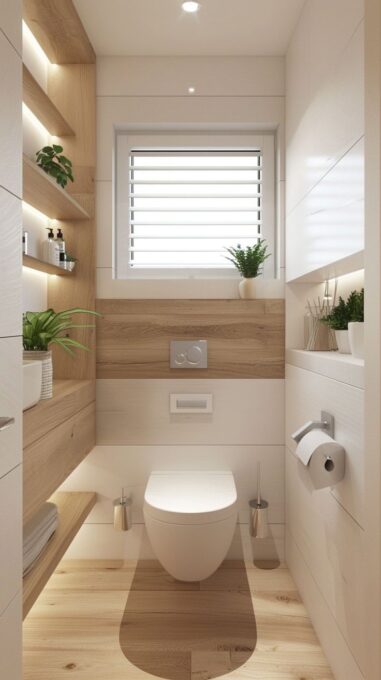
This guide will walk you through every aspect of choosing a bathroom window, including types, placement, materials, installation tips, design, maintenance, and future planning. Whether you are renovating an existing bathroom or designing a new one, these insights will ensure you make an informed decision. For additional bathroom setup guidance, see our previous guide on bathroom outlets.
1. Understanding the Importance of Ventilation, Light, and Comfort
A bathroom window serves multiple purposes:
- Ventilation: Proper airflow prevents excess moisture, reducing mold, mildew, and damage to walls, ceilings, and cabinetry.
- Natural Light: Daylight improves visibility, reduces electricity usage, and enhances the overall ambiance.
- Privacy: Frosted, textured, or tinted glass maintains privacy while allowing light in.
- Energy Efficiency: Modern bathroom windows minimize heat loss in winter and reduce cooling needs in summer.
- Mental Comfort: Natural light in bathrooms improves mood and perception of space.
Consider your bathroom’s size, orientation, and wall configuration. East-facing windows provide energizing morning light, while west-facing windows deliver warm afternoon light. Bathrooms with no external walls can benefit from skylights or high transom windows for daylight exposure without sacrificing privacy. Proper ventilation also supports odor control and reduces humidity-related problems.
2. Types of Bathroom Windows
Choosing the right bathroom window type is critical for functionality, style, and maintenance. Here’s a detailed breakdown:
- Sliding Windows: Slide horizontally; ideal for narrow walls and easy to clean.
- Casement Windows: Side-hinged; excellent ventilation and unobstructed views.
- Awning Windows: Top-hinged; allow airflow even during rain.
- Frosted/ Textured Glass Windows: Maintain privacy while maximizing light.
- Skylights: Overhead windows; ideal for bathrooms without external walls.
- Bay or Bow Windows: Create architectural interest while providing ample light and ventilation.
Additional Considerations: Modern bathroom windows may include double-glazing, low-E coatings, UV protection, and soundproofing. These features improve energy efficiency, reduce noise, and protect interiors from sun damage. You can explore different models and compare prices on HomeAdvisor Windows..
3. Placement, Size, and Height Considerations
The placement of a bathroom window impacts light, privacy, and overall comfort. Consider the following:
- Above Counters/Vanities: Provides lighting for grooming tasks.
- Near Showers/Bathtubs: Must be moisture-resistant and properly sealed to avoid leaks.
- Height from Floor: Standard 42–60 inches, adjustable for accessibility and privacy.
- Multiple Windows: For larger bathrooms, more than one window balances ventilation and daylight.
- Horizontal High Windows: Ideal for narrow spaces or bathrooms that need wall privacy.
- Window Size Proportions: Larger windows increase light but may compromise wall space for cabinets or mirrors.
Placement also affects the interaction with electrical devices. Ensure your bathroom outlets are safely positioned away from water sources while maintaining convenience.
4. Materials, Durability, and Performance
Material choice affects maintenance, durability, energy efficiency, and aesthetics:
- Vinyl Windows: Affordable, moisture-resistant, low-maintenance; available in multiple colors.
- Aluminum Windows: Durable, modern look; may require thermal breaks to improve insulation.
- Wood Windows: Natural aesthetic, highly customizable; needs protective finishing for humidity.
- Fiberglass Windows: Long-lasting, low-maintenance, and highly energy-efficient.
- Composite Materials: Blend of wood, vinyl, or fiberglass; combine durability and style.
When selecting a bathroom window, consider how the material will respond to humidity, cleaning products, and UV exposure. Hardware and finishes should resist corrosion, particularly in coastal or high-humidity areas.
5. Installation Guidelines
Proper installation ensures a safe, functional, and energy-efficient bathroom window:
- Accurate Measurement: Ensure precise fit for the wall opening.
- Sealing and Waterproofing: Use high-quality sealants around the frame.
- Professional Installation: Licensed contractors guarantee safety and code compliance.
- Ventilation Check: Confirm smooth operation and airflow.
- Insulation and Draft Check: Ensure energy efficiency and comfort.
- Safety Features: Tempered glass, secure locks, and child-proofing for family homes.
- Integration with Design: Placement should complement mirrors, lighting, and other fixtures.
Well-installed bathroom windows reduce maintenance, prevent leaks, and improve indoor air quality. Improper installation is a common cause of moisture damage and mold growth.
6. Design, Style, and Aesthetic Considerations
A bathroom window should enhance the room’s design while remaining functional:
- Color and Frame: Match the bathroom’s style and fixtures.
- Glass Options: Frosted, textured, tinted, or decorative patterns.
- Decorative Features: Grills, panels, or trims add character without sacrificing privacy.
- Energy Efficiency: Double-glazing or low-E coatings reduce heat loss.
- Integration with Décor: Align the window with modern, classic, or rustic themes.
- Custom Shapes: Arched, circular, or triangular windows can add sophistication to bathroom design.
These design choices affect light, privacy, and how the space is perceived. Modern trends favor minimalist frames, large panes, and sleek finishes to enhance a clean, airy look.
7. Maintenance, Cleaning, and Long-Term Planning
Maintaining your bathroom window ensures long-term functionality and beauty:
- Regular Cleaning: Use a soft, damp cloth; avoid harsh chemicals.
- Inspect Seals: Check for cracks or gaps to prevent leaks.
- Lubricate Moving Parts: Hinges, sliders, and handles should move smoothly.
- Monitor Mold and Mildew: Address issues immediately to prevent structural damage.
- Plan Upgrades: Smart blinds, automated shades, or energy-efficient replacements can enhance privacy and convenience.
- Complementary Electrical Setup: Ensure bathroom outlets nd safe.
Extra Tips: Consider using moisture-absorbing treatments near windows and ventilating after showers to minimize condensation. Installing a small window shelf or ledge can add storage and decoration options, especially for potted plants that thrive in humidity.