
When it comes to home and garden design, one of the most important decisions is choosing the right material for niches, countertops, or decorative elements. The right choice affects not only aesthetics but also durability, maintenance, and long-term satisfaction. In 2026, homeowners are increasingly focused on high-quality finishes that combine elegance, practicality, and value. This comprehensive guide explores granite vs porcelain, providing insights, tips, and trends to help you make the best decision for your spaces.
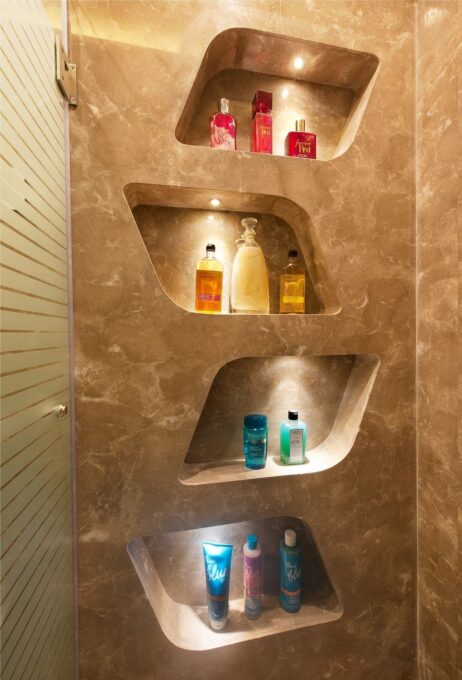
Granite vs Porcelain – Overview
Both granite and porcelain are popular choices for niches, countertops, and decorative applications, but they have distinct characteristics.
Granite is a natural stone, quarried from the earth and known for its unique patterns and durability. Each slab has its own color variations, veining, and textures, which makes it a favorite for homeowners seeking a natural, luxurious look. Advantages include resistance to heat and scratches, a long lifespan, and timeless appeal. However, granite requires periodic sealing to prevent staining and maintain its appearance.
Porcelain, on the other hand, is a manufactured material composed of refined clay fired at high temperatures. This process creates highly dense, low-porosity tiles or slabs. Porcelain is exceptionally resistant to water, stains, and scratches, and it offers consistency in color and pattern. It’s also lighter than granite and often easier to install, making it a versatile option for various niches. The main drawback is that, while highly durable, porcelain lacks the natural variations and depth of granite, which can be a deciding factor for those who love organic aesthetics.
Both materials have their merits, so the choice largely depends on your priorities in terms of aesthetics, maintenance, and budget.
Durability and Maintenance
When evaluating granite vs porcelain, durability is a critical factor.
Granite is extremely robust. Resistant to heat, minor scratches, and daily wear, it’s ideal for high-traffic areas such as kitchens and bathrooms. However, because it’s a natural stone, granite is slightly porous. To prevent staining from oils, acids, or colorants, it should be sealed once or twice a year. Cleaning is straightforward with mild soap and water, but harsh chemicals can damage the stone over time.
Porcelain, being non-porous, excels in low-maintenance durability. It resists stains, mold, and moisture without the need for sealing. Scratches are rare, and it tolerates heat well, though extreme direct heat may cause micro-cracks over time. Cleaning is effortless—usually a simple wipe with a damp cloth is enough. Porcelain is especially suited for bathrooms, outdoor niches, or areas exposed to moisture, making it an excellent choice for busy households.
In summary, if you want minimal maintenance and maximum water resistance, porcelain has the edge. If natural beauty and timeless durability are your priority, granite remains unmatched.
Installation Tips
Proper installation ensures that both materials perform optimally.
For granite, professional installation is highly recommended. The slabs are heavy, and incorrect support can lead to cracks. Edges should be carefully finished, and sealing is necessary post-installation. Granite’s weight means that cabinets or support structures must be reinforced, especially for larger niches or countertops.
Porcelain, being lighter and more uniform, allows for some DIY-friendly installation. However, large slabs still require careful handling to avoid breakage. Use appropriate adhesives and spacers, and ensure surfaces are level to prevent cracking or uneven tiles. For niches in wet areas, such as bathrooms, waterproof membranes beneath the porcelain are recommended.
Whether you choose granite or porcelain, precise measurements, attention to support, and high-quality adhesives are key to a lasting installation.
Design and Aesthetic Considerations
Aesthetics play a major role in choosing between granite vs porcelain.
Granite offers natural veining, unique colors, and depth that no two slabs share. It pairs beautifully with wood, metal, and glass elements, and adds a sophisticated touch to niches in kitchens, bathrooms, and living areas. For homeowners seeking an organic, luxurious feel, granite is ideal.
Porcelain, while manufactured, has advanced significantly in design. High-definition printing and large-format slabs can mimic natural stone, marble, and even wood textures. Porcelain comes in consistent colors, making it perfect for modern, minimalist designs where uniformity is desired. It’s also versatile for both indoor and outdoor niches, allowing creative use in garden walls, planters, and decorative features.
When planning your design, consider the surrounding colors, textures, and the level of maintenance you’re willing to perform. Matching the niche material with countertops, flooring, or accent walls can create a cohesive and striking look.
Cost Comparison
Budget is often a deciding factor.
Granite tends to be more expensive upfront due to quarrying, transportation, and professional installation. Prices vary depending on rarity, thickness, and finish. While it has a long lifespan, sealing and maintenance costs should be factored in.
Porcelain is generally more affordable, especially when comparing large slabs or tiles. Installation is sometimes simpler, reducing labor costs. Maintenance is minimal, which can make porcelain more cost-effective over time.
In essence, if you are looking for a long-term investment with natural elegance, granite is a solid choice. If your priority is affordability, low maintenance, and flexibility in design, porcelain offers excellent value.
Case Studies and Real-Life Examples
Looking at practical applications can help illustrate the choice between granite vs porcelain.
- Small Niches: In bathrooms or compact kitchens, porcelain is often preferred due to its lightweight, non-porous nature, and easy installation in tight spaces.
- Medium Niches: Granite works well for medium-sized kitchen islands or decorative wall niches where its unique patterns can become a focal point.
- Large Niches: For larger feature walls or expansive countertops, porcelain offers durability without the extreme weight of granite, while granite provides unmatched natural aesthetics and a statement look.
These examples show that both materials are versatile, but selection should align with niche size, usage, and visual impact.
Future Trends for 2026
Design trends for 2026 emphasize sustainability, technology, and multi-functional materials.
- Eco-friendly Materials: Recycled granite composites and sustainable porcelain options are gaining traction.
- Smart Surfaces: Porcelain with antibacterial coatings and stain-resistant treatments is becoming popular in kitchens and bathrooms.
- Innovative Textures: Large-format porcelain slabs with natural stone or metallic effects are a design trend, while granite continues to be celebrated for organic, timeless textures.
Homeowners are increasingly blending practicality with style, making both granite and porcelain relevant for contemporary niches and decorative elements.
How to Choose the Right Material for Your Home
When deciding between granite vs porcelain, consider these factors:
- Usage and Durability: High-traffic or moisture-prone areas benefit from porcelain; luxury spaces favor granite.
- Maintenance: Porcelain is nearly maintenance-free, while granite requires sealing.
- Design Preferences: Natural uniqueness favors granite; consistent, modern designs favor porcelain.
- Budget: Porcelain is generally more affordable upfront and in maintenance; granite offers long-term value.
- Installation: Ensure professional support for granite; porcelain may allow for DIY or semi-professional work.
For more inspiration on bathroom design and modern spaces, check our previous article “Top 3 Modern Showers 2026…” and consult trusted sources on materials for home and garden for detailed specifications.
Conclusion: Both granite and porcelain have unique advantages. Your choice depends on your priorities for beauty, maintenance, durability, and budget. By considering these factors, you can select a material that elevates your niches, enhances your décor, and ensures satisfaction for years to come.