
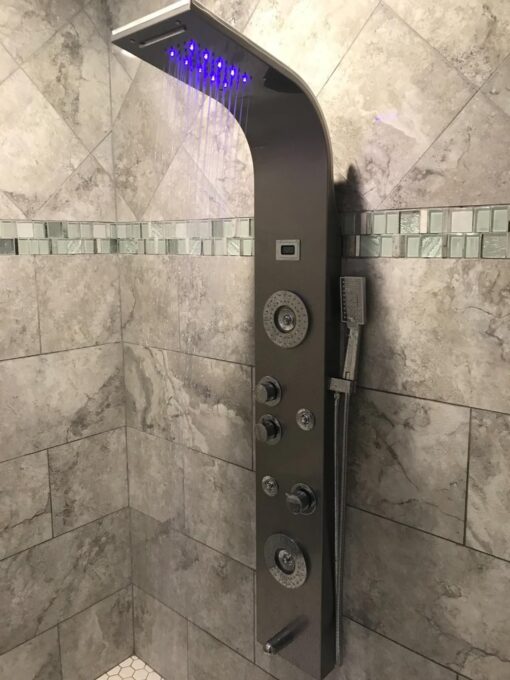
Modern Shower Systems in 2026: How to Choose the Right One for Your Bathroom
A shower used to be a fixed decision — pick a showerhead, connect the pipe, done. That’s not how it works anymore. Modern shower systems in 2026 combine spray customization, temperature precision, water efficiency, and in many cases full app control, which means the “right” choice depends far more on how you actually use your bathroom than on which model looks best in a catalog photo.
Talking with bathroom contractors who install these systems regularly, the same lesson comes up again and again: people who choose based on a single feature — usually the spray type — often end up disappointed by something they didn’t think to check, like installation complexity or long-term maintenance. This guide walks through what actually matters when choosing a modern shower system, category by category.
What Makes a Shower “Modern” in 2026
The label covers a wide range of products, but most modern systems share a few core traits:
- Multiple spray modes — rainfall, targeted jets, and fine mist, often combined
- Digital or app-based temperature control, sometimes with memory presets per user
- Water-saving technology, such as flow regulators and air-infusion nozzles
- Safety engineering, including anti-scald protection and slip-resistant bases
None of these features is exclusive to premium systems anymore — even mid-range shower panels now include at least basic versions of most of them.
Spray Types: What Each One Actually Feels Like
Choosing a spray mode is where most people start, so it’s worth understanding what each one is actually designed for.
| Spray Type | What It Feels Like | Best For |
|---|---|---|
| Rainfall | Soft, wide, full-body coverage | Relaxation, unwinding after a long day |
| Massage jets | Focused, higher-pressure streams | Muscle tension, targeted relief |
| Mist | Ultra-fine droplets | Spa-like hydration, gentler sensation |
| Hybrid systems | Combines two or more of the above | Households with different preferences |
Practical tip: if more than one person uses the same shower regularly, a hybrid or multi-mode system tends to prevent the “everyone wants something different” friction that comes with single-spray setups.
Safety Features That Are Easy to Overlook
Safety rarely makes the shortlist when people compare showers by look alone, but it matters most for households with children or elderly users.
- Anti-scald technology prevents sudden temperature spikes when water pressure elsewhere in the home fluctuates.
- Slip-resistant bases reduce fall risk in a naturally humid environment.
- Ergonomic, reachable controls make daily use easier for every age group.
A well-reviewed spray pattern means little if the system can’t hold a stable, safe temperature — that’s often the feature worth prioritizing over aesthetics.
Water and Energy Efficiency
Efficiency has moved from a nice-to-have to a genuine deciding factor, and it doesn’t require sacrificing water pressure the way older low-flow systems did.
- Low-flow technology maintains strong pressure while using notably less water.
- Smart sensors adjust flow and temperature automatically based on usage.
- Efficient heating integration reduces the energy spent bringing water up to temperature.
The U.S. Environmental Protection Agency’s WaterSense program notes that certified showerheads use at least 20% less water than the federal standard while still meeting performance requirements — a useful benchmark to check when comparing efficiency claims between products.
Materials and Build Quality
Durability comes down largely to what the system is made of:
- Stainless steel resists corrosion and holds up well in humid environments.
- Brass components tend to last longer under daily use than lower-grade alloys.
- Tempered glass adds both a modern look and structural safety for enclosures.
Cheaper finishes may look identical in a showroom, but mineral buildup and daily moisture exposure tend to expose the difference within the first year or two.
Installation: What Actually Determines the Difficulty
Not every modern shower installs the same way, and this is where budgets and timelines can go sideways if it’s not planned for.
Pre-assembled panels are generally faster to install and work well for renovations where the plumbing is already in place. Built-in wall systems offer a more seamless, high-end look but require more invasive work and typically benefit from professional installation — especially when digital panels or LED components are involved.
Before any installation:
- Shut off the main water supply
- Confirm pipe compatibility with the new system
- Measure the available space precisely
- Verify the wall structure can support the fixture’s weight
Skipping this preparation is one of the most common causes of leaks and pressure problems after installation.
Layout and Lighting Matter More Than People Expect
Where a shower sits in the room affects more than convenience — it changes how the whole bathroom feels. Natural light brings out material textures and finishes in a way artificial lighting alone can’t replicate. If you’re planning the layout, positioning the shower near a source of natural light — like the options covered in our guide to bathroom windows — tends to make even a small bathroom feel noticeably more open.
Maintenance: What Keeps a Modern Shower Performing
A shower system’s first year rarely reveals problems — it’s the maintenance routine (or lack of one) over the following years that determines how well it holds up.
- Weekly cleaning to prevent soap residue and mineral buildup on visible surfaces
- Descaling every few months, using a vinegar solution or a commercial descaler on nozzles
- Seal and hose inspection to catch early leak signs before they become structural issues
- Filter or cartridge replacement, if the system includes one, on the manufacturer’s schedule
- Keeping digital panels dry and checking for firmware updates on smart-enabled systems
Regular descaling in particular is often the single most overlooked task — mineral buildup gradually reduces pressure and can eventually clog nozzles entirely.
Smart Technology: How Far It’s Actually Come
App and voice control are no longer limited to flagship products. Common smart features now include:
- Pre-set temperature and pressure profiles saved per user
- Scheduling for shower times
- Usage tracking to monitor water consumption over time
- Automatic flow shutoff when the shower isn’t actively in use
These features genuinely reduce waste when used consistently, but they’re only as useful as the household’s willingness to actually engage with the app — a smart shower left on factory settings offers little advantage over a standard one.
Design Trends Shaping 2026
A few finishes and layouts dominate current installations:
- Matte black for a bold, modern look
- Brushed nickel for a subtler, contemporary finish
- Ceiling-mounted rainfall heads paired with minimalist wall panels
- Frameless glass enclosures that keep smaller bathrooms feeling open
The overall direction is toward hidden controls and seamless integration — systems that look like a natural part of the wall rather than an added fixture.
Does a Modern Shower Add Property Value?
Bathrooms consistently rank among the spaces buyers pay the most attention to. A well-installed, efficient shower signals updated infrastructure without the cost of a full bathroom remodel, and it typically delivers a faster, less disruptive renovation than replacing tubs, tile, and plumbing all at once.
Frequently Asked Questions
Do I need a professional to install a modern shower system? Simple pre-assembled panels can sometimes be installed without one, but systems involving built-in plumbing changes, digital panels, or electrical components generally require professional installation to avoid leaks and safety issues.
Will a water-saving shower actually feel weaker? Not with current technology. Air-infusion nozzles and smart flow regulators are specifically designed to maintain strong perceived pressure while using less water.
How often should I descale my showerhead? Every few months in most cases, though homes with hard water may need more frequent descaling to prevent reduced pressure.
Is a smart shower worth the extra cost? It depends on whether you’ll actually use the scheduling and preset features regularly — the efficiency gains are real, but only when the household engages with the technology.
What’s the biggest mistake people make when choosing a shower? Prioritizing spray type or looks alone, without considering installation complexity, water pressure in the home, or long-term maintenance requirements.
Final Thoughts
Choosing the right modern shower in 2026 comes down to matching the system to your household — not to whichever model has the most features on paper. Families benefit most from flexible, multi-spray systems; minimalists tend to prefer clean, efficient single-mode designs; and anyone prioritizing sustainability should pay close attention to certified water-efficiency ratings rather than marketing claims alone.
Get the layout, installation, and maintenance right, and even a mid-range system can outperform a premium one that was poorly installed or never maintained.