
Modern architecture continues to evolve, bringing new shapes and design concepts that go beyond traditional straight lines. One of the most eye-catching trends in recent years is the wavy balcony—a design that replaces rigid edges with smooth, flowing curves.
This innovative approach adds personality and movement to a building’s facade, making it stand out instantly. However, while the aesthetic appeal is undeniable, many homeowners wonder if this design is practical.
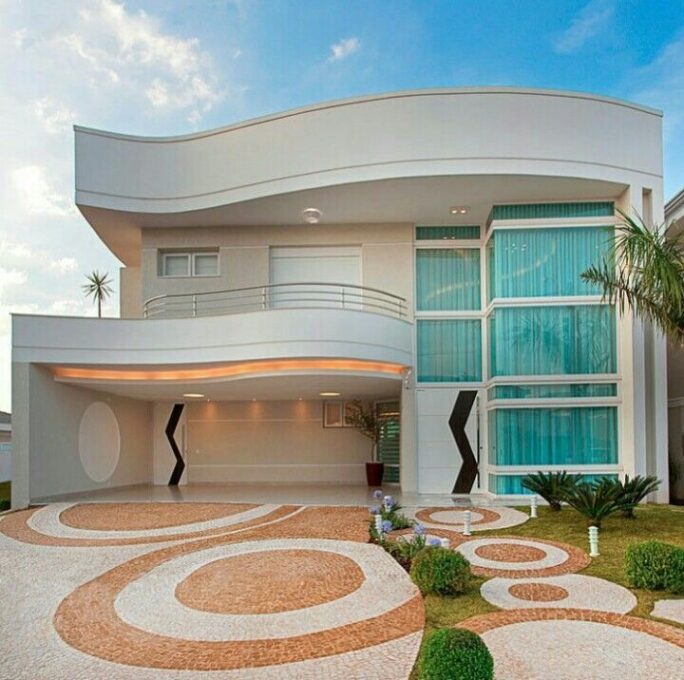
Understanding the wavy balcony pros and cons is essential before making any decision. In this guide, we’ll explore both the advantages and disadvantages to help you determine if this architectural trend fits your needs.
What Is a Wavy Balcony?
A wavy balcony is a structure designed with curved or flowing lines instead of straight edges.
Key Characteristics
- Organic shapes
- Smooth curves
- Dynamic visual effect
- Modern architectural style
This design is often used in contemporary buildings to create a more fluid and artistic appearance.
Why Wavy Balconies Are Trending
The popularity of curved architecture is growing.
Reasons Behind the Trend
- Unique visual appeal
- Modern and luxurious look
- Better integration with nature-inspired designs
Many architects are moving away from rigid structures and exploring more creative forms.
Pros of a Wavy Balcony
1. Unique Aesthetic Appeal
The biggest advantage is visual impact.
A wavy balcony instantly stands out and creates a modern, elegant look. It adds movement to the structure and breaks the monotony of straight lines.
This is one of the strongest points in the wavy balcony pros and cons discussion.
2. Increased Property Value
Unique designs often increase perceived value.
A distinctive balcony can make your property more attractive to buyers and stand out in the market.
3. Better Integration With Natural Elements
Curved designs mimic natural shapes.
This creates harmony with outdoor environments and makes the space feel more relaxing.
4. Improved Wind Flow
In some cases, curved structures can improve airflow.
This may reduce strong wind impact compared to flat surfaces.
5. More Creative Design Possibilities
A wavy balcony opens the door to creativity.
- Custom railings
- Unique lighting
- Decorative finishes
It allows for a more personalized space.
Cons of a Wavy Balcony
1. Higher Construction Costs
One of the biggest drawbacks.
Curved designs require:
- Specialized labor
- Custom materials
- More complex engineering
This increases the overall cost significantly.
2. Complex Maintenance
Maintenance can be more difficult.
Curved surfaces may require:
- Custom cleaning tools
- More attention to detail
3. Limited Furniture Options
Standard furniture may not fit well.
You may need custom pieces to match the shape.
4. Structural Challenges
Engineering a curved balcony is more complex.
This requires experienced professionals and careful planning.
5. Longer Construction Time
Due to complexity, projects may take longer.
This can impact budgets and timelines.
Materials Used in Wavy Balconies
Choosing the right materials is crucial.
Common Materials
- Reinforced concrete
- Steel
- Glass railings
Each material must adapt to curved designs.
Safety Considerations
Safety should always come first.
When evaluating wavy balcony pros and cons, consider:
- Strong structural support
- Secure railings
- Professional installation
Safety standards are essential for long-term use.
Design Tips for a Wavy Balcony
Keep It Functional
Don’t sacrifice usability for aesthetics.
Use Matching Decor
Choose furniture that complements curves.
Add Lighting
Highlight the design with soft lighting.
EXTRA SECTION: Structural Engineering Insights
Behind every wavy balcony is a complex engineering process.
Curved structures require precise calculations to ensure stability and safety. Engineers must account for load distribution, wind resistance, and material flexibility.
Unlike straight balconies, where forces are distributed evenly, curved designs introduce variations that must be carefully managed. This is why hiring experienced professionals is essential when planning such a project.
EXTRA SECTION: Cost Breakdown and Budget Planning
Understanding costs is essential before committing.
Main Cost Factors
- Design complexity
- Materials used
- Labor specialization
- Project size
A wavy balcony can cost significantly more than a traditional one, sometimes up to 30–50% higher depending on the design.
Planning your budget in advance helps avoid unexpected expenses.
EXTRA SECTION: Custom Furniture Solutions
Because of the curved shape, furniture selection becomes a challenge.
Options
- Custom-built seating
- Modular furniture
- Flexible outdoor pieces
Investing in adaptable furniture ensures better use of space.
EXTRA SECTION: Maintenance Tips for Longevity
Proper maintenance keeps your balcony in excellent condition.
Tips
- Clean surfaces regularly
- Inspect structural elements
- Protect materials from weather
Regular care reduces long-term costs.
EXTRA SECTION: Weather Impact on Wavy Balconies
Weather plays a major role in durability.
Considerations
- Rainwater drainage
- Wind exposure
- Sunlight impact
Curved designs may require special drainage solutions to prevent water accumulation.
EXTRA SECTION: Lighting Design for Curved Spaces
Lighting enhances the beauty of a wavy balcony.
Ideas
- LED strips along curves
- Soft ambient lighting
- Floor lighting
Lighting highlights the architectural design and creates a cozy atmosphere.
EXTRA SECTION: Comparing Wavy vs Traditional Balconies
Wavy Balcony
- Unique design
- Higher cost
- Modern appeal
Traditional Balcony
- Simpler structure
- Lower cost
- Easier maintenance
Understanding this comparison helps in decision-making.
EXTRA SECTION: Real-Life Use Cases
Many modern buildings around the world are adopting curved balcony designs.
These projects demonstrate how wavy balcony pros and cons play out in real life. In luxury apartments, wavy balconies often become a signature feature, attracting attention and increasing market value.
However, in smaller residential projects, the added cost and complexity can outweigh the benefits.
EXTRA SECTION: Psychological Impact of Curved Design
Curved shapes have a subtle psychological effect.
They tend to feel:
- More welcoming
- Softer
- More natural
This makes spaces with curved elements feel more relaxing and visually pleasing.
EXTRA SECTION: Space Optimization with Curves
While curves look beautiful, they can also impact space usage.
Challenges
- Harder to place furniture
- Irregular usable area
Solutions
- Custom furniture
- Flexible layouts
- Minimalist design
Planning ahead solves these issues.
EXTRA SECTION: Future Trends in Balcony Design
Architecture continues to evolve.
Future trends may include:
- More organic shapes
- Sustainable materials
- Smart design integration
Wavy balconies are part of this movement toward more expressive and functional design.
Sustainability and Modern Construction
Modern construction increasingly focuses on efficiency and sustainability. Guidelines and insights can be explored through sources like the U.S. Department of Energy Building Design.
If you’re also thinking about improving other areas of your home, you can explore smart organization ideas like this guide “Smart Pantry Ideas for Small Kitchens“
Long-Term Benefits
Despite the challenges, a wavy balcony can provide:
- Strong visual identity
- Modern appeal
- Increased property value
- Unique architectural presence
Is a Wavy Balcony Worth It?
It depends on your priorities.
Choose This Design If You Want:
- Unique architecture
- Modern aesthetics
- High visual impact
Avoid If You Prefer:
- Lower costs
- Simpler construction
- Easy maintenance
Understanding the wavy balcony pros and cons ensures a smart decision.
Conclusion
A wavy balcony is a bold and modern architectural choice that offers both advantages and challenges. While it delivers a stunning visual impact and creative flexibility, it also demands higher investment and careful planning.
By understanding the wavy balcony pros and cons, you can make an informed decision that aligns with your goals, budget, and lifestyle.