
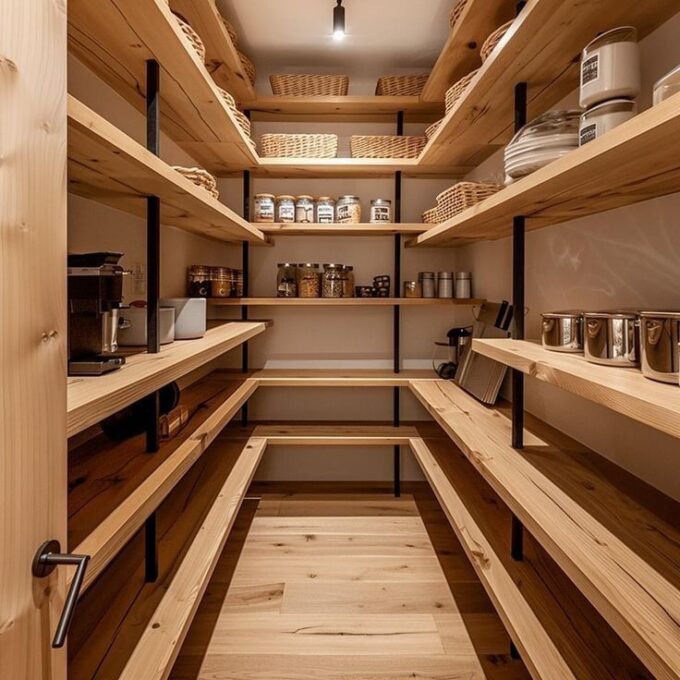
Smart Pantry Ideas for Small Kitchens
A small kitchen doesn’t have to mean a disorganized one, but it usually starts out that way. Cabinets fill up fast, boxes get pushed to the back and forgotten, and countertops become the default overflow storage for everything that doesn’t have a proper home. Small kitchen pantry ideas aren’t really about squeezing in more storage — they’re about designing a system where every item has one specific place, so nothing ends up buried, duplicated, or wasted.
This guide covers how to find storage space that’s already there but unused, which pantry layouts suit different kitchen shapes, and the organizing habits that keep a system working months after the initial setup, not just on day one.
Why Small Kitchens Actually Benefit More From a Real Pantry System
There’s a common assumption that pantries only make sense in large kitchens with a dedicated closet. In practice, the opposite is often true — a compact kitchen has less room for inefficiency, so an organized system matters more, not less.
Without one, small kitchens tend to run into the same few problems repeatedly:
- Countertops become cluttered because cabinets are already full or disorganized
- Items get pushed to the back of deep cabinets and forgotten until they expire
- Duplicate purchases happen because it’s unclear what’s already on hand
- Meal prep takes longer simply because ingredients are hard to locate
A working pantry system fixes all four of these at once, and it doesn’t require a renovation to do it.
Start by Finding Space You’re Already Wasting
Before buying a single organizer, it’s worth spending twenty minutes actually looking at the kitchen with fresh eyes. Most small kitchens have unused storage potential hiding in plain sight.
- The space above upper cabinets, often left completely empty, works well for rarely used items or bulk backups.
- The inside of cabinet doors is one of the most overlooked spots — a slim spice rack or hanging organizer here adds real capacity without touching shelf space.
- Narrow gaps beside the refrigerator or a run of cabinets are often just wide enough for a slim pull-out cart, even if they look too small at first glance.
- Deep corner cabinets, notoriously hard to access, become genuinely usable with a rotating tray instead of a flat shelf.
Walking through the kitchen with a tape measure before shopping avoids the common mistake of buying a shelving unit or cart that doesn’t actually fit the gap it was meant for.
Choosing a Pantry System That Matches Your Kitchen’s Shape
Not every pantry solution works in every layout, and forcing the wrong one in usually creates more clutter rather than less.
| Pantry Type | Best For | Trade-Off |
|---|---|---|
| Vertical shelving | Narrow kitchens with limited floor space | Requires stable wall anchoring |
| Pull-out slim pantry | Gaps beside appliances or cabinets | Limited shelf depth per unit |
| Cabinet reorganization | Kitchens with existing cabinets to improve | Doesn’t add new square footage |
| Open shelving | Kitchens that can tolerate visible storage | Needs consistent upkeep to avoid clutter |
| Hybrid systems | Most small kitchens | More planning upfront |
Most kitchens end up doing best with a hybrid approach — say, a pull-out unit beside the fridge combined with better organization inside existing cabinets — rather than relying on a single storage method to solve everything.
Making the Most of Vertical Space
In a small kitchen, wall height is usually the most underused resource available, and it’s often the single biggest opportunity for added storage.
- Tall, narrow shelving stores dry goods, containers, and small appliances without expanding the kitchen’s footprint.
- The zone above cabinets, up near the ceiling, is ideal for items used only occasionally — holiday bakeware, large serving dishes, backup supplies — since accessibility matters less there than lower down.
- Hanging rails, hooks, or suspended baskets free up shelf space for pantry goods by moving utensils, mugs, or small tools off the counter entirely.
Organizing by Category, Not by Whatever Fits
The physical storage matters less than how items are grouped once they’re in it. A pantry with plenty of space but no organizing logic still ends up feeling chaotic.
- Group similar items together — pasta and grains, baking ingredients, canned goods, snacks, spices — rather than storing things wherever there happens to be room.
- Store daily essentials at eye level, since that’s the zone people naturally reach for first without thinking about it.
- Push rarely used items higher or lower, reserving the most convenient shelf height for what actually gets used every week.
- Keep heavier items — bottled drinks, large containers — on lower shelves, both for practicality and basic safety.
This kind of zoning does more for daily efficiency than almost any storage product on its own.
Tools Worth the Investment
A few specific organizing tools consistently make a bigger difference than general-purpose bins.
- Clear containers let you see contents and remaining quantity at a glance, which reduces both food waste and duplicate purchases — it’s hard to overbuy rice when you can see there’s already half a bag left.
- Drawer organizers stop loose items like spice packets or snack bags from sliding into a jumbled pile every time a drawer opens.
- Rotating trays solve the classic deep-corner-cabinet problem, where items at the back become effectively inaccessible without one.
- Matching baskets create visual order on open shelving, which matters more than people expect — a shelf of mismatched boxes and bags reads as cluttered even when it’s technically organized.
Cabinet Doors Are Free Real Estate
This is one of the easiest upgrades to overlook simply because it’s not “extra space” in the traditional sense — it’s space that already exists but goes unused.
- A slim door-mounted spice rack keeps seasonings visible and off the shelf entirely.
- Hanging door organizers work well for smaller items like foil, wraps, or snack bags.
- Narrow shelves fitted just inside a cabinet door add meaningful capacity without affecting the main shelf space behind them.
Keeping the System Visible and Legible
A pantry that looks organized on setup day but becomes chaotic within a month usually has one thing in common: nothing is labeled, and nothing has a fixed home.
- Label shelves or containers clearly, especially in a household where more than one person is doing the cooking or restocking.
- Leave a little breathing room between categories. A shelf packed edge to edge is harder to scan quickly than one with small visual breaks.
- Stick to a consistent container style where possible — it’s a small detail, but it makes the whole system easier to read at a glance.
Maintaining the System Over Time
Even a well-designed pantry drifts back toward clutter without a bit of ongoing maintenance — this is the step most guides skip, and it’s usually the reason a pantry system stops working within a few months.
- A quick weekly check — a few minutes to put stray items back where they belong — prevents small disorganization from snowballing.
- A monthly deeper pass is worth the time: checking for expired items, wiping down shelves, and confirming nothing has drifted out of its category.
- First-in, first-out rotation — moving older items to the front when restocking — is a simple habit that meaningfully reduces food waste over time. The USDA’s FoodSafety.gov guidelines on food storage are a solid reference for how long specific pantry items reasonably last, which takes the guesswork out of the monthly review.
Layout-Specific Strategies
Different kitchen shapes tend to respond better to different combinations of the ideas above.
Narrow galley kitchens usually do best with pull-out units and slim vertical shelving, since bulky cabinets eat into an already tight walking path.
Open-concept kitchens, where pantry storage is often visible from the living space, benefit from more visual consistency — matching containers and tidier open shelving matter more here than in a closed-off kitchen.
Apartment kitchens often need to lean on multi-functional pieces — a rolling cart that moves where it’s needed, or furniture with built-in storage — since permanent built-ins usually aren’t an option.
Lighting Makes a Bigger Difference Than Expected
Good pantry lighting isn’t just about looking nice — it directly affects how usable the storage actually is.
- LED strip lighting inside cabinets or under shelves makes it far easier to see what’s actually there, especially in deeper or darker cabinets.
- Motion-sensor lighting is a small but genuinely convenient upgrade for pantry cabinets that get opened with hands full.
A Few Multi-Functional Ideas Worth Considering
Small kitchens increasingly benefit from pantry zones that do more than one job:
- A compact coffee station built into one section of pantry shelving keeps everything in one spot without needing separate counter space.
- A dedicated snack zone at a lower, kid-accessible height works well for family kitchens.
- Combining pantry storage with a small cleaning supply section — kept clearly separate from food items — maximizes an already tight footprint.
Common Mistakes That Undo Good Pantry Systems
| Mistake | Consequence | Fix |
|---|---|---|
| Overbuying pantry stock | Items expire before they’re used | Buy realistically based on actual usage |
| Ignoring vertical space | Wasted wall height, cramped lower shelves | Add tall shelving or use the space above cabinets |
| No clear categories | Items get lost, duplicate purchases happen | Group similar items and keep the grouping consistent |
| Opaque containers | Forgotten food, harder inventory tracking | Switch to clear containers where possible |
| Overcrowded shelves | Reduced visibility and accessibility | Leave some breathing room between categories |
Frequently Asked Questions
Do I need to buy a full organizing system, or can I improve my pantry with what I already have? Many meaningful improvements — grouping by category, using existing containers more consistently, adding labels — cost nothing. Specific tools like rotating trays or drawer organizers are worth adding once the basic system is in place, not before.
What’s the single most impactful change for a cluttered small kitchen? Grouping items by category tends to have the biggest immediate effect, since it’s the difference between a shelf that looks organized and one that’s actually functional day to day.
How often should a pantry really be reorganized? A quick weekly tidy plus a more thorough monthly check (expired items, restocking, re-labeling as needed) is usually enough to keep a small pantry from sliding back into clutter.
Is open shelving a good idea for a small kitchen pantry? It can be, particularly for visual openness in a compact space, but it requires more consistent upkeep than closed storage, since any disorganization is immediately visible.
Can a small kitchen have a real pantry without a dedicated closet or extra room? Yes. Vertical shelving, pull-out units, and better use of existing cabinets can create a fully functional pantry system without any additional square footage.
Final Thoughts
A functional pantry in a small kitchen comes down to using space that’s already there more deliberately — vertically, inside cabinet doors, in awkward gaps beside appliances — and organizing it by real usage patterns rather than convenience at the moment of unpacking groceries. The system doesn’t need to be elaborate to work; it just needs categories that make sense and a habit of putting things back where they belong. For readers working through other space-conscious upgrades, our guide on wavy balcony pros and cons covers a very different kind of design decision, but the same underlying idea applies: thoughtful planning matters more than the size of the space you’re working with.