
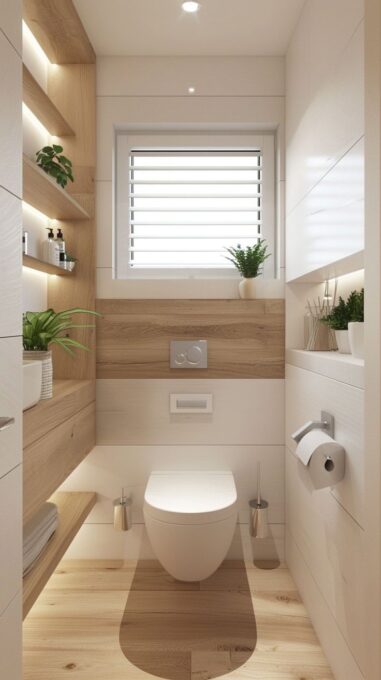
Bathroom Window Guide 2026: Ventilation, Privacy, and Natural Light Done Right
Tile, fixtures, and lighting tend to get all the attention in a bathroom project, while the window gets picked almost as an afterthought. That’s a mistake that shows up fast — usually as fogged mirrors, peeling paint near the frame, or a room that feels closed off no matter how nice the finishes look. A well-chosen bathroom window does more work than people expect: it controls humidity, brings in natural light, protects privacy, and affects the room’s energy efficiency every single day.
Contractors who handle bathroom remodels regularly point to the same issue: window choice is often driven by budget or whatever fits the existing opening, without much thought for airflow or placement. This guide walks through how to actually choose, place, and install a bathroom window so it does its job well for years, not just on installation day.
What a Bathroom Window Actually Needs to Do
A bathroom window isn’t just an opening for light — it’s handling several jobs at once, and skipping any one of them tends to cause problems down the line.
- Ventilation. Hot showers generate significant moisture, and without proper airflow, that moisture leads to mold, mildew, and peeling paint over time.
- Natural light. Daylight reduces the need for artificial lighting during the day and makes the room feel noticeably larger and more inviting.
- Privacy. Frosted, textured, or tinted glass lets light in without exposing the room to neighbors or the street.
- Energy efficiency. Features like double-glazing and low-emissivity coatings reduce heat loss in winter and heat gain in summer.
Trying to solve all four with the cheapest window that fits the hole in the wall is exactly how bathrooms end up humid, dim, or both.
Choosing the Right Window: A Practical Process
Rather than starting with style, it helps to work through the room’s actual constraints first.
- Assess the layout. Wall space, ceiling height, and existing ventilation all limit what’s realistic — a small bathroom may only support a compact, high-mounted window.
- Define the main goal. Ventilation, privacy, and maximum natural light often pull in different directions, so it helps to know which one matters most before comparing window types.
- Consider orientation. East-facing windows bring bright morning light; west-facing windows add warmth in the afternoon. This affects both comfort and heating/cooling costs.
- Match the window type to the goal (covered in detail below).
- Plan for what might come later — smart glass and automated shading are increasingly common upgrades, and it’s worth confirming the opening can accommodate them if that’s a future possibility.
Types of Bathroom Windows Compared
| Window Type | Best For | Trade-Off |
|---|---|---|
| Sliding | Tight spaces, easy operation | Less airflow than a fully opening window |
| Casement | Maximum ventilation | Needs clearance to swing open |
| Awning | Humid climates, can stay open in light rain | Limited size options |
| Frosted/textured glass | Privacy-focused rooms | Less of a “view,” by design |
| Skylight | Bathrooms with no exterior wall | More complex installation and sealing |
| Bay/bow | Larger bathrooms, architectural interest | Not practical in small or wet-heavy layouts |
Practical note: awning windows tend to be underrated for bathrooms specifically — their ability to stay cracked open even during light rain makes them one of the few types that can provide near-constant ventilation without much thought.
Where to Place It: Function Over Habit
Placement affects daily usability more than most homeowners expect going in.
- Above the vanity brings natural light right where it’s most useful — for grooming and getting ready.
- Near the shower improves ventilation significantly, but requires proper sealing and moisture-resistant materials, since this spot takes the most direct humidity exposure.
- High or transom-style placement keeps privacy intact while still letting in light, which works well for street-facing walls.
- Multiple windows in larger bathrooms create more balanced airflow and even lighting than relying on one larger opening.
Materials: What Actually Holds Up to Humidity
| Material | Strength | Watch Out For |
|---|---|---|
| Vinyl | Moisture-resistant, low maintenance, affordable | Limited high-end aesthetic options |
| Aluminum | Strong, modern look | Needs good insulation to avoid heat transfer |
| Wood | Natural appearance | Requires consistent maintenance in humid rooms |
| Fiberglass | Durable, energy-efficient | Higher upfront cost |
| Composite | Balanced performance | Mid-range on most metrics |
For a room that stays humid on a near-daily basis, vinyl and fiberglass tend to be the safer long-term choices unless there’s a strong aesthetic reason to go with wood — and if wood is chosen, the maintenance commitment needs to be realistic, not aspirational.
Installing a Bathroom Window Without Costly Mistakes
Even a high-quality window fails early if installation is rushed. The process generally follows this sequence:
- Accurate measurement of width, height, and depth, checking for uneven surfaces and confirming square alignment. A poorly measured opening is the root cause of most gaps and leaks down the line.
- Wall preparation, including removing old frames and addressing any existing moisture damage or mold before the new window goes in.
- Frame installation, using shims to keep it level and perfectly square — a misaligned frame causes both operational issues and air leaks.
- Sealing and waterproofing with proper membranes and sealants, which is the step most responsible for preventing water infiltration and mold later on.
- Securing the window unit, checking that screws are evenly tightened and the window opens and closes smoothly.
- Insulation around the frame to reduce drafts and heat loss.
- Final testing — opening and closing multiple times, checking for air leaks, and inspecting the seal thoroughly.
Professional installation is worth the cost for most bathroom windows, given how much long-term damage a bad seal can cause in a room that’s wet almost daily.
Natural vs. Mechanical Ventilation
A window alone isn’t always enough to manage bathroom humidity, especially in larger or more enclosed layouts.
Natural ventilation through the window is simple and energy-efficient, but it depends entirely on weather and outdoor airflow conditions — on a still, humid day, it may do very little.
Mechanical ventilation via an exhaust fan works consistently regardless of weather, but running one uses electricity and doesn’t bring in natural light or fresh air the way a window does.
In most cases, combining both gives the most reliable moisture control — the window handles daily airflow and light, while the fan picks up the slack during showers or humid weather.
Common Installation Mistakes Worth Avoiding
- Poor sealing, which is the single biggest cause of water damage and mold around the frame
- Incorrect measurements, leading to persistent gaps no amount of caulk fully fixes
- Low-quality materials in a room that’s humid nearly every day
- Ignoring ventilation needs in favor of style alone
- Placing windows too low for privacy, or too high to be functional for tasks like checking the room’s temperature or airflow
Bringing Window Choice Into the Rest of the Bathroom
A window works best when it’s planned alongside the rest of the room rather than chosen in isolation. Its placement affects where a mirror, storage, or lighting can realistically go — and vice versa. If you’re working through overall bathroom layout and storage planning, our guide to bathroom decor and storage ideas for small spaces covers how to make those pieces work together rather than compete for the same wall space.
Energy Efficiency: What Actually Makes a Difference
Double-glazing and low-emissivity (low-E) coatings are the two features that most directly affect a window’s energy performance, reducing heat loss in winter and heat gain in summer. The U.S. Department of Energy notes that ENERGY STAR–certified windows can meaningfully cut energy costs compared to older, single-pane windows — a useful benchmark when comparing efficiency claims between window brands.
Frequently Asked Questions
Does a bathroom window need to be tempered or safety glass? In most jurisdictions, yes — building codes typically require safety glazing for windows near wet areas like showers or tubs, so it’s worth confirming local requirements before installation.
Can I rely on a window alone for bathroom ventilation? It helps significantly, but in bathrooms with heavy daily use or limited airflow, pairing a window with an exhaust fan gives far more consistent moisture control.
What’s the best window type for privacy without losing light? Frosted or textured glass is generally the most effective option — it lets daylight in while obscuring visibility from outside.
How often should I inspect the seals on a bathroom window? A quick check every six months is a reasonable baseline, since seal failure is gradual and often not obvious until water damage has already started.
Is it worth upgrading an old bathroom window before a full renovation? Often yes — improving sealing, insulation, and glass quality can meaningfully reduce moisture problems and energy loss even without changing the window’s size or position.
Final Thoughts
Choosing a bathroom window comes down to balancing four things that don’t always pull in the same direction: ventilation, natural light, privacy, and energy efficiency. Start with the room’s actual constraints and daily use rather than style alone, invest in proper sealing during installation, and pair the window with mechanical ventilation if the layout calls for it. Get those fundamentals right, and the window becomes one of the lowest-maintenance, highest-impact decisions in the whole bathroom.