
How to Improve Your Home’s Curb Appeal on a Budget
First impressions matter, especially when it comes to residential properties. Whether you plan to sell in the future or simply want a more attractive exterior, boosting curb appeal is a smart move. It’s one of the most effective upgrades you can make.
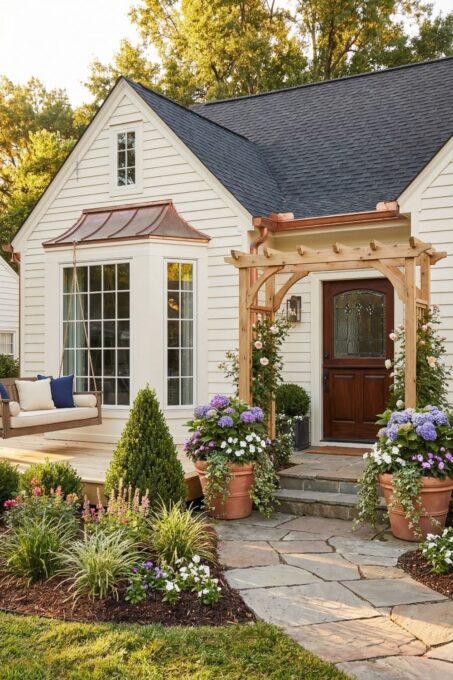
Fortunately, a better-looking exterior rarely requires expensive renovations. Many of the most effective changes are surprisingly affordable, and they can transform how a home looks from the street.
According to This Old House, small, well-planned details often carry more visual weight than large renovations. This guide breaks down where to focus first, and how to get real results without overspending.
Start by Assessing What You Already Have
Before buying anything, take a slow lap around the outside of your house as if you were seeing it for the first time. Note peeling paint, overgrown shrubs, or fixtures that feel outdated. This simple audit tells you exactly where to spend your budget.
For example, landscape designer Julie Moir Messervy describes a well-designed entry as one built in layers. It guides a visitor gradually from the street all the way to the doorstep. That layered thinking applies to the whole exterior, not just the entrance.
Clean Before You Decorate
A clean exterior instantly looks newer, even before a single dollar is spent on upgrades. Focus on siding, walkways, driveways, and windows first, since dirt and grime hide architectural details that would otherwise stand out.
In fact, blasting away grime with a pressure washer on siding, driveways, and walkways can dramatically improve appearance on its own. It’s often the single highest-impact, lowest-cost project on this list.
Refresh the Front Door
The front door usually serves as the focal point of a home’s exterior. A fresh coat of paint, new hardware, or updated house numbers can transform it without a full replacement.
As marketing director Steve Roth puts it, well-chosen trim details can deliver real curb appeal on a limited budget. That’s an easy way to escape a cookie-cutter look, he adds, without a full renovation.
Improve Exterior Lighting
Lighting affects both safety and appearance. Pathway lights, porch fixtures, and accent lighting create a welcoming atmosphere after dark, while motion-sensor lights add practical security near entry points.
Solar-powered garden lights, meanwhile, are a low-cost, energy-efficient option worth considering if you want to avoid running new wiring.
Add Landscaping That Fits Your Climate
Landscaping is one of the fastest ways to change how a property feels. Fresh mulch, trimmed shrubs, and seasonal flowers make a space look cared for almost immediately.
Choosing plants suited to your local climate reduces long-term maintenance. Native species, in particular, tend to need less water and fewer replacements over time.
Avoid the Symmetrical Foundation Row
Landscape architect Anne F. Walters warns against the classic symmetrical planting scheme: two matching shrubs on either side of the door, with everything else lined up evenly. That approach, in her words, feels dated.
Instead, vary the height, texture, and bloom time of your plants. A layered, slightly irregular planting bed usually reads as more natural and more intentional than a perfectly matched row.
Define Walkways and Entry Areas
Clear, well-defined pathways create structure and guide the eye toward the entrance. Stone edging, pavers, or simple landscape borders offer real visual impact at a relatively low cost.
This Old House landscape contractor Jenn Nawada recommends cutting a clean V-shaped edge between lawn and garden bed with a square shovel, then filling it with mulch. It keeps grass out and holds up well through winter.
Coordinate Colors Across the Exterior
Color choices matter more than most homeowners expect. Instead of picking shades individually for the door, shutters, and trim, choose them together as a set, since mismatched tones can undercut every other upgrade on this list.
Therefore, testing paint samples directly on the exterior, in both daylight and shade, helps avoid surprises once the full coat goes on.
Small Container Gardens Add Big Impact
Potted plants near the entrance offer flexibility that in-ground landscaping doesn’t. They can be swapped seasonally, moved to catch better light, and updated without disturbing an established garden bed.
For renters or anyone unsure about committing to permanent landscaping, this is often the easiest way to add color and personality to an entryway.
Don’t Overlook the Mailbox
Many homeowners skip the mailbox when planning curb appeal upgrades. However, because it sits close to the street, it’s often one of the first things people notice.
Fresh paint, new house numbers, or a small planting bed around the base can help. Together, these small touches turn a tired mailbox into a detail that ties the whole yard together.
Touch Up Paint Where It Matters Most
Repainting an entire house is expensive, but smaller paint projects still deliver a strong visual return. Focus on shutters, trim, porch railings, and the garage door.
In general, sticking to three colors or fewer works well: one for the body, one for trim, and one accent color. This usually looks more polished than an exterior with too many competing tones.
Check Your Windows
Windows play a major role in how a home reads from the street. Clean glass, repaired screens, and freshly painted trim go a long way toward a more finished look.
Adding a simple window box with seasonal flowers, meanwhile, is an inexpensive way to bring color to an otherwise plain facade.
How This Connects to Ongoing Maintenance
Curb appeal upgrades work best alongside routine upkeep. Skipping maintenance tends to undermine even the best design choices over time, since a worn roof or clogged gutters can outweigh a fresh coat of paint.
For a broader view of what to check throughout the year, see our Home Maintenance Checklist Every Homeowner Needs.
Common Mistakes to Avoid
Overdecorating is a common trap. Too many decorative elements create visual clutter instead of charm. Similarly, using too many exterior colors can make a facade feel busy rather than cohesive.
Neglecting lighting and letting landscaping grow unchecked are two more frequent issues. Both quietly undo the impact of every other upgrade on this list, since a cluttered or dark exterior reads as neglected regardless of what else has been improved.
Seasonal Upkeep Keeps Curb Appeal Consistent
In spring, focus on fresh mulch, new flowers, and general cleanup. Summer calls for steady lawn care and irrigation management, while fall means clearing leaves and refreshing seasonal containers.
Winter is mostly about maintenance: clear walkways, working exterior lights, and simple seasonal accents that don’t require much upkeep in cold weather.
High-Impact Projects That Won’t Break the Bank
Some of the most noticeable upgrades are also among the least expensive. Painting the front door, replacing house numbers, adding fresh mulch, and installing pathway lighting all fall into this category.
None of these require a contractor or a large weekend budget, which makes them a practical starting point for most homeowners.
Weigh DIY Against Hiring a Pro
Many curb appeal projects, like painting a door or planting a flower bed, are simple enough for a weekend DIY effort. Others, such as major landscaping redesigns or roof repairs, are usually worth hiring out.
As a rule of thumb, if a mistake would be costly or dangerous to fix, it’s often cheaper in the long run to bring in a professional from the start.
Frequently Asked Questions
What is curb appeal?
It’s how attractive a property looks when viewed from the street, shaped by everything from landscaping to paint color to lighting.
Does curb appeal actually affect property value?
In many cases, yes. A well-maintained exterior creates a strong first impression, which can influence buyer interest and perceived value.
What’s the easiest place to start?
Cleaning the exterior surfaces and refreshing the front door usually deliver the biggest visible change for the least effort.
Is landscaping really that important?
Yes. It’s one of the fastest ways to change how a property feels, and it doesn’t require a large budget to make a real difference.
Are expensive renovations necessary?
No. Many of the most effective curb appeal projects are affordable and can be finished in a weekend.
Final Thoughts
Improving curb appeal on a budget comes down to prioritizing the details that matter most: a clean exterior, a refreshed entry, thoughtful lighting, and landscaping suited to your climate. None of it requires a full renovation.
Pair these upgrades with regular maintenance, and the results tend to last well beyond a single weekend project.