
In modern homes, comfort, efficiency, and convenience are key priorities. One technology that has gained significant attention in 2026 is hot water automation. By automatically controlling the heating and delivery of hot water, these systems offer a modern solution to a daily necessity. But, as with any technology, there are benefits and drawbacks that homeowners should consider. This article explores hot water automation, providing practical insights, cost analysis, installation tips, maintenance advice, and emerging trends.
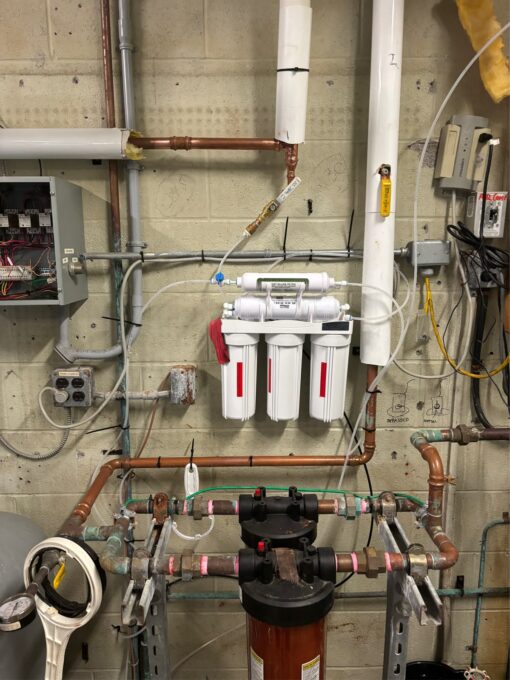
Understanding Hot Water Automation
Hot water automation systems are designed to manage the heating and distribution of water throughout a home automatically. Unlike traditional systems that heat water continuously or rely on manual controls, automated systems use sensors, timers, and smart controls to deliver hot water efficiently.
Key components include:
- Smart thermostats to regulate temperature
- Flow sensors to detect water usage and leaks
- Automated pumps to reduce waiting time for hot water
- Integration with smart home apps for remote control
These systems are especially useful for larger homes or households with high water demand, providing consistent temperature and reducing water waste.
Advantages of Hot Water Automation
- Energy Efficiency
Automated systems heat water only when needed, reducing electricity or gas consumption. For example, pre-programmed schedules ensure water is heated just before peak usage times, preventing unnecessary heating overnight or during absences. - Convenience and Comfort
Imagine walking into a shower with water already at the perfect temperature. Automated systems eliminate the wait for hot water at taps and showers. With app control or voice assistants, users can even adjust temperatures remotely. - Consistent Temperature
Temperature fluctuations are a common problem in traditional systems. Automation maintains consistent water temperature, preventing scalding or cold shocks, and ensuring comfort for all family members. - Leak Detection and Safety
Advanced systems include sensors that detect leaks or unusual flow patterns, alerting homeowners instantly. This proactive monitoring minimizes potential water damage and costly repairs. - Integration with Smart Home Ecosystems
Many hot water automation systems can integrate seamlessly with home assistants, energy monitors, and other smart devices. This integration enables remote monitoring, scheduling, and energy usage optimization. - Sustainability
By reducing unnecessary heating and minimizing water waste, automated systems contribute to eco-friendly living, aligning with sustainability trends in 2026. - Improved Property Value
Smart, efficient systems are increasingly seen as a desirable feature by home buyers, potentially increasing property resale value.
These advantages make hot water automation a compelling choice for homeowners seeking convenience, efficiency, and modern living solutions.
Disadvantages of Hot Water Automation
Despite the benefits, automated hot water systems have certain limitations:
- High Initial Cost
Installing an automated system is generally more expensive than traditional systems. Costs include equipment, sensors, professional installation, and potential upgrades to existing plumbing. - Maintenance and Software Updates
Automated systems require regular maintenance, including software updates, sensor calibration, and occasional mechanical servicing. While less frequent than manual systems, these tasks are essential for reliability. - Dependence on Electricity and Connectivity
Most systems rely on electricity and Wi-Fi. Power outages or network disruptions may temporarily affect functionality, making contingency plans necessary. - Complex Repairs
Advanced technology can complicate repairs. Specialized technicians may be required, and replacement parts can be more costly compared to conventional water heaters. - Learning Curve for Users
Some homeowners may find app controls and scheduling features initially complex. Training and familiarity with the system are needed to maximize its benefits.
Understanding these disadvantages helps homeowners plan accordingly, balancing convenience with cost and maintenance requirements.
Installation Tips
Proper installation is critical for the performance and longevity of automated hot water systems:
- Professional Assessment: A certified installer should evaluate the home’s plumbing, pipe layout, and power supply to ensure compatibility.
- Quality Components: Invest in trusted brands for sensors, thermostats, and pumps to reduce the risk of malfunctions.
- Leak Prevention: Install check valves and safety sensors to prevent water damage.
- Smart Home Integration: Ensure compatibility with existing devices for seamless control.
- Placement Considerations: Position units for optimal flow and access for maintenance.
Correct installation ensures reliability, efficiency, and long-term satisfaction.
Maintenance Guidelines
Routine maintenance keeps automated systems running efficiently:
- Periodic Flushing: Prevent mineral buildup by flushing the system according to manufacturer guidelines.
- Sensor Checks: Ensure temperature and flow sensors remain accurate.
- Software Updates: Keep firmware and apps updated to access new features and security patches.
- Leak Monitoring: Check for leaks regularly and respond immediately to system alerts.
By following these maintenance steps, homeowners can prolong system lifespan and prevent costly repairs.
Cost Analysis and Savings
Although the initial investment can be substantial, automated hot water systems can lead to long-term savings:
- Energy Savings: Heating only when needed reduces gas or electricity usage by up to 30%.
- Water Savings: Eliminates water waste while waiting for taps to reach the desired temperature.
- Reduced Maintenance Costs: Sensors and alerts can prevent leaks and other issues before they escalate.
- Resale Value: Smart, efficient homes are increasingly attractive to buyers, offering potential ROI.
When calculating overall savings, consider the system’s lifespan, energy efficiency, maintenance, and potential property value increase.
Real-Life Applications
- Small Apartments: Instant water heaters with automated control save space and provide quick access to hot water for kitchens and bathrooms.
- Family Homes: Multi-point systems allow simultaneous use in bathrooms and kitchens without temperature drops.
- Luxury Residences: Integrated AI systems learn household patterns, preheating water efficiently while maximizing comfort and energy savings.
- Eco-Friendly Homes: Solar-assisted automated systems optimize renewable energy usage, reducing carbon footprint.
These examples show that hot water automation can be adapted to any home type or lifestyle.
Future Trends in 2026
Looking forward, trends indicate that hot water automation will become smarter, greener, and more integrated:
- Predictive AI: Systems will anticipate water demand based on user habits.
- Renewable Energy Integration: Solar and heat-pump systems combined with automation will further reduce energy consumption.
- Remote Diagnostics: Manufacturers will offer predictive maintenance through apps, minimizing unexpected failures.
- Eco-Certifications: Sustainable, energy-efficient components will become standard in new installations.
Staying updated on these trends ensures homeowners select systems that remain relevant for years to come.
Choosing the Right System
To select the best automated hot water system, consider:
- Household Size: Larger families may need multi-point systems for simultaneous use.
- Budget and ROI: Balance upfront costs against long-term energy and water savings.
- Smart Home Compatibility: Ensure seamless integration with other devices.
- Maintenance Willingness: Consider ease of updates and service availability.
- Energy Source: Check compatibility with renewable energy or high-efficiency heaters.
For inspiration and guidance, check your previous article on “Top 3 Modern Showers 2026…” and explore authoritative sources on smart home technology: