
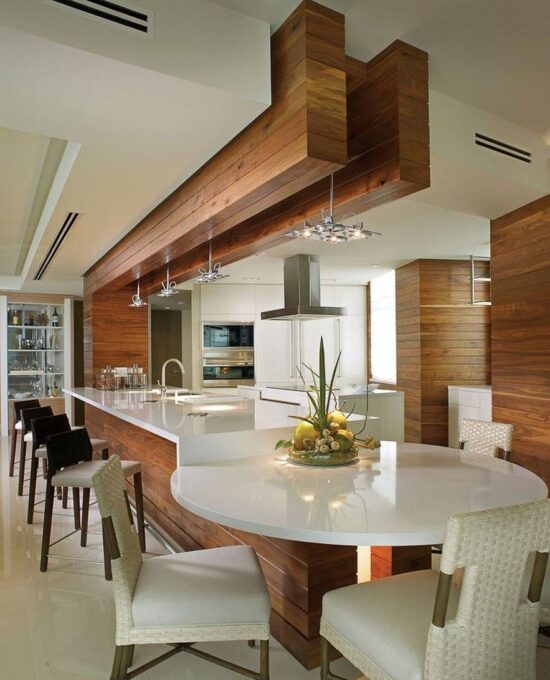
How to Decorate a Beam Area in the Living Room: Step-by-Step Tutorial
Most living room makeovers start with the furniture and work outward — a new sofa, a fresh rug, maybe a different wall color. The ceiling, and whatever runs across it, usually gets ignored until it becomes hard to. A visible ceiling beam is one of those details that either quietly disappears into the background or, when handled well, becomes the single most memorable feature in the room. Living room beam decorating ideas are really about deciding which of those two outcomes you want, and then working backward from there.
This guide covers how to read the type of beam you’re working with, the color and lighting choices that change its character most dramatically, and the mistakes that turn a promising beam into a heavy, awkward ceiling feature.
Start by Identifying What Kind of Beam You Actually Have
Not all beams call for the same treatment, and design advice that works for one type can look wrong on another.
- Exposed wooden beams are common in farmhouse, cottage, and traditional homes. They usually already carry warmth and texture, so the goal is often to enhance rather than cover them.
- Concrete beams show up most in lofts, modern apartments, and industrial conversions. On their own they can feel cold, but they respond well to contrast — metal accents, warm lighting, or greenery.
- Decorative faux beams aren’t structural, which gives far more design freedom, including hiding wiring or lighting inside them.
- Painted beams, often matched to the ceiling color, create a quieter look that can later be brought forward with contrast trim or lighting if a bolder statement is wanted.
Before choosing a color or finish, it’s worth spending a few minutes just looking at the beam in different light throughout the day. A beam that looks heavy under harsh overhead light can feel completely different once warm lamp light hits it in the evening.
Read the Room Before Touching the Beam
A beam shouldn’t be decorated as an isolated object — it needs to work with everything already in the room.
- Check ceiling height first. Low ceilings generally do better with lighter beam colors, since dark, heavy finishes can make the room feel like it’s closing in.
- Note where the beam sits relative to furniture. A beam positioned above the sofa often becomes a natural visual anchor; one crossing near a dining area can help define that zone without adding a wall.
- Look at existing wood tones and metal finishes in the room. Repeating one of those tones in the beam treatment creates cohesion instead of introducing a competing element.
- Consider the room’s natural light. Darker beam finishes generally need more ambient light nearby to avoid feeling oppressive.
Skipping this step is the most common reason a beam project ends up looking disconnected from the rest of the room, even when the beam itself looks good in isolation.
Color Choices and What Each One Communicates
Color is the fastest, lowest-cost way to change how a beam reads in a room.
| Beam Color | Best For | Effect |
|---|---|---|
| White or off-white | Small rooms, coastal or Scandinavian interiors | Lightens the ceiling, reduces visual weight |
| Natural wood tone | Rustic, farmhouse, bohemian spaces | Adds warmth and texture |
| Charcoal or matte black | Rooms with strong natural light | Creates drama and contrast |
| Matched to ceiling | Modern, minimalist interiors | Makes the beam recede quietly |
A common mistake is choosing a dark, dramatic finish because it looks striking in photos, without accounting for how little natural light the room actually gets day to day. What reads as moody and elegant in a bright, south-facing room can feel genuinely gloomy in a north-facing one.
Using Lighting to Change the Beam’s Character
Lighting arguably has more influence over how a beam feels than color does, since it changes throughout the day and evening.
- LED strip lighting tucked along the top or sides of a beam creates a soft uplight or downlight glow, and works especially well against concrete or minimalist ceilings.
- Recessed spotlights near the beam add depth without visually crowding the ceiling.
- Pendant lights hung from or near the beam create a strong focal point, particularly effective above a coffee table, dining area, or reading nook.
- Warm-toned bulbs (generally in the 2700K–3000K range) tend to suit living rooms better than cooler daylight bulbs, which can make a beam feel more clinical than cozy.
A small but often-missed detail: mixing warm and cool light sources in the same room — say, a cool white LED strip against warm incandescent lamps — creates a visual inconsistency that’s subtle but noticeable once you know to look for it. Keeping color temperature consistent across all fixtures near the beam avoids this.
Adding Texture Without Overcomplicating the Design
Texture softens a beam’s visual weight, especially when the material itself (like concrete) feels cold or unfinished.
Wood Cladding
Covering a concrete or plain painted beam with wood panels or planks creates the visual warmth of a natural wood beam without structural changes. This works particularly well in modern homes that otherwise feel a bit sterile.
Reclaimed Wood
Reclaimed wood brings natural imperfection and history to a space, which suits rustic, industrial, and farmhouse interiors especially well.
Trailing Plants
Hanging plants like pothos, ivy, or string of pearls from secure hooks along a beam softens its hard lines and adds gentle movement to the ceiling. The key word is secure — always confirm a hook or anchor is rated for the weight before hanging anything, since not every beam surface holds weight the same way.
Hardware, Shelving, and Small Architectural Details
Small hardware details can make a beam feel intentional rather than incidental.
- Black metal brackets suit industrial or farmhouse interiors and pair well with exposed wood or brick.
- Decorative straps wrapped around a wooden beam lean more old-world or rustic.
- Minimal, low-profile hardware in matte black or brushed metal keeps modern spaces clean.
Some living rooms can support small floating shelves along a low or vertical beam, which is a practical way to display books, ceramics, or framed photos. The main risk here is overloading the beam visually — a shelf with too many small objects competes with the beam itself instead of complementing it.
Coordinating the Beam With the Rest of the Room
A beam that feels disconnected from the furniture below it reads as an afterthought, even if the beam treatment itself is well executed. Repeating the beam’s material or color elsewhere in the room ties the whole space together — a dark wood beam echoed in a coffee table or TV console, or a black beam picked up again in lamp bases and curtain rods.
Style-Specific Approaches
| Style | Key Materials | Overall Feel |
|---|---|---|
| Rustic | Natural wood, linen, stone | Warm, slightly imperfect, cozy |
| Modern | Clean lines, matte finishes, hidden lighting | Simple, intentional, understated |
| Industrial | Concrete, black metal, exposed brick | Bold, raw, unapologetic |
| Farmhouse | White walls, natural wood, woven textures | Welcoming, relaxed, layered |
Mixing too many of these directions at once — rustic wood next to industrial metal next to soft bohemian fabric — is one of the fastest ways to make a beam feel chaotic rather than curated. Picking one clear direction and staying consistent almost always looks more polished than trying to blend several.
Safety Considerations Before You Start
Beams are structural or semi-structural elements in many homes, and it’s worth treating any modification with a bit of caution.
- Confirm whether the beam is load-bearing before drilling into it.
- Use anchors and hooks rated for the actual weight being hung, not just what “looks” secure.
- Avoid running new electrical wiring without a licensed electrician, particularly for integrated lighting.
- Never block ventilation, smoke detectors, or existing lighting fixtures when adding decor.
For structural questions specifically — whether a beam is load-bearing, or how much weight a given anchor point can safely support — This Old House’s guidance on structural beams and ceiling work is a reliable, professionally reviewed resource worth checking before starting any DIY project involving beams.
Common Mistakes to Avoid
- Overdecorating. Too many plants, lights, and hanging objects on one beam quickly reads as cluttered rather than curated.
- Choosing a color that fights the room’s proportions. Very dark beams in small, low-ceiling rooms can feel heavy; very light beams in large rooms can disappear entirely.
- Ignoring the surrounding ceiling. A beautifully finished beam next to a plain, unfinished ceiling can look unintentional rather than deliberate.
- Skipping the weight check before hanging anything. This is a safety issue as much as a design one.
Budget-Friendly vs. High-End Approaches
| Budget Level | Ideas |
|---|---|
| Low-cost | Paint the beam, add peel-and-stick wood panels, hang lightweight plants, install basic LED strips |
| Mid-range | Wood cladding, decorative metal brackets, pendant lighting near the beam |
| High-end | Custom wood cladding, integrated architectural lighting, designer pendants, premium natural finishes |
The most expensive option isn’t always the most effective one — a well-chosen paint color and warm lighting can transform a beam’s presence in a room just as much as a full cladding project, at a fraction of the cost.
Frequently Asked Questions
Do I need to hire a professional to decorate a beam, or can this be a DIY project? Cosmetic changes like painting, adding lightweight plants, or applying peel-and-stick panels are generally DIY-friendly. Anything involving electrical wiring, structural drilling, or heavy hanging elements is safer left to a licensed professional.
How do I know if my beam is load-bearing? This isn’t always obvious from appearance alone. If there’s any uncertainty, it’s worth having a contractor or structural engineer confirm before drilling or attaching anything substantial.
What’s the easiest, lowest-cost way to update a beam? Paint is usually the fastest transformation — either matching the ceiling for a subtle look or choosing a contrast color for a bolder statement. Adding warm lighting nearby amplifies the effect without much additional cost.
Can I add plants to a beam if I don’t have anywhere secure to hang them? Yes — tall plants placed on furniture or shelving near the beam’s line can create a similar visual connection between ceiling and floor without needing to hang anything from the beam itself.
Will a dark beam make my living room feel smaller? It can, particularly in rooms with low ceilings or limited natural light. In bright, higher-ceilinged rooms, dark beams often read as intentional and dramatic rather than heavy.
How many different materials should I mix on one beam? Generally no more than two — for example, wood and metal, or paint and lighting. Combining more than that tends to make the design feel busy rather than intentional.
Final Thoughts
A ceiling beam doesn’t have to be something a living room works around. With the right color, lighting, and a bit of restraint, it can become one of the room’s most defining features instead of an obstacle to decorate past. The most successful beam treatments usually come down to one thing: picking a clear direction and staying consistent with it, rather than layering on every idea at once. For more ways to bring architectural character into small or overlooked details, our guide on choosing the right switch for every room covers a similar principle — small, often-overlooked elements that quietly shape how a home feels day to day.