
Home Maintenance Checklist Every Homeowner Needs

Owning a home comes with responsibilities that extend far beyond decorating rooms and improving curb appeal. While many homeowners focus on renovations and design upgrades, regular maintenance often plays a much larger role in protecting a property’s value over time.

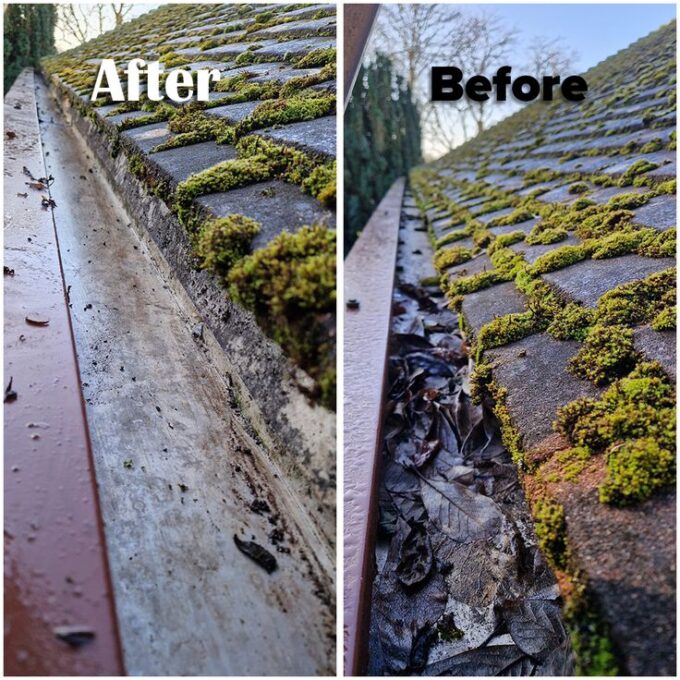
Cleaning gutters during autumn.

A well-planned home maintenance checklist helps prevent costly repairs, improves energy efficiency, and keeps every part of the home functioning properly throughout the year.

Unfortunately, many maintenance issues begin as small problems. A minor roof leak, clogged gutter, or poorly sealed window may seem insignificant at first. However, if ignored, these issues can develop into expensive repairs that affect both comfort and property value.

For this reason, experienced homeowners follow structured maintenance routines that address potential problems before they become major concerns.

In addition, preventive maintenance contributes to safer living conditions. Electrical systems, plumbing components, heating equipment, and exterior structures all require periodic inspection to remain reliable and efficient.

Many professional organizations, including This Old House, emphasize the importance of routine inspections and seasonal maintenance as part of responsible homeownership.

Likewise, homeowners interested in improving comfort and functionality often combine maintenance planning with smart design strategies, such as those discussed in our article about How to Make a Small Living Room Look Bigger Without Renovating.

This guide presents a complete home maintenance checklist for homeowners, covering seasonal tasks, essential inspections, and practical strategies that help protect your home year after year.

Why Home Maintenance Matters

A home is one of the largest investments most people will ever make.

Consequently, protecting that investment should be a long-term priority.

Key Benefits of Regular Maintenance

  • Prevents expensive repairs.
  • Improves energy efficiency.
  • Extends the lifespan of systems.
  • Enhances safety.
  • Maintains property value.

Furthermore, consistent maintenance creates a more comfortable and stress-free living environment.

The Cost of Ignoring Maintenance

Many homeowners postpone maintenance because everything appears to be functioning normally.

However, hidden problems often develop gradually.

Common Consequences

Water Damage

Small leaks can lead to mold, structural deterioration, and costly restoration projects.

HVAC Failures

Lack of servicing can shorten the lifespan of heating and cooling systems.

Roof Problems

Minor damage can become major repairs after storms or heavy rainfall.

As a result, preventive maintenance almost always costs less than emergency repairs.

Creating a Year-Round Maintenance Plan

One of the most effective approaches is dividing maintenance tasks into seasonal categories.

This makes responsibilities easier to manage and reduces the likelihood of forgetting important inspections.

Seasonal Organization

  • Spring maintenance.
  • Summer maintenance.
  • Fall maintenance.
  • Winter maintenance.

Consequently, homeowners can spread tasks throughout the year instead of handling everything at once.

Spring Home Maintenance Checklist

Spring is often considered the most important maintenance season.

Winter conditions may leave behind damage that requires immediate attention.

Inspect the Roof

Begin by checking for:

  • Missing shingles.
  • Cracked materials.
  • Signs of leaks.

Additionally, inspect flashing around chimneys and vents.

Clean Gutters and Downspouts

Debris accumulation can prevent proper drainage.

As a result, water may damage foundations, siding, and landscaping.

Examine Exterior Walls

Look for:

  • Cracks.
  • Peeling paint.
  • Moisture damage.

Furthermore, addressing these issues early can prevent larger structural concerns.

Check Windows and Doors

Inspect weather stripping and seals.

Proper sealing improves energy efficiency and reduces utility costs.

Summer Home Maintenance Checklist

Summer provides excellent weather conditions for outdoor inspections and repairs.

Service the Air Conditioning System

A professional inspection can help:

  • Improve efficiency.
  • Extend equipment life.
  • Reduce energy consumption.

Inspect Decks and Patios

Check for:

  • Loose boards.
  • Rusted hardware.
  • Structural weaknesses.

Additionally, cleaning and sealing outdoor surfaces can extend their lifespan.

Evaluate Landscaping

Trees and shrubs should not interfere with:

  • Roof structures.
  • Gutters.
  • Utility lines.

Proper trimming reduces risks during storms.

Fall Home Maintenance Checklist

As temperatures begin to drop, homeowners should focus on preparing the property for colder weather.

A proactive approach during fall can prevent many winter-related issues.

Clean Gutters Again

Leaves and debris accumulate quickly during autumn.

Therefore, cleaning gutters before winter is essential.

Inspect the Roof Before Winter

Even minor damage can become serious once exposed to heavy rain, frost, or strong winds.

Look for:

  • Missing shingles.
  • Damaged flashing.
  • Signs of moisture infiltration.

Furthermore, addressing small problems now is often far less expensive than emergency repairs later.

Seal Gaps and Cracks

Inspect:

  • Window frames.
  • Door frames.
  • Exterior wall penetrations.

Proper sealing helps reduce heat loss and improves energy efficiency throughout winter.

Inspect Outdoor Faucets

Water left inside exposed plumbing can freeze and expand.

As a result, pipes may crack and require costly repairs.

Prepare the Heating System

Before temperatures drop significantly, schedule a professional inspection if necessary.

Key tasks include:

  • Replacing filters.
  • Cleaning vents.
  • Testing thermostats.

Winter Home Maintenance Checklist

Winter maintenance focuses primarily on protecting the home from cold temperatures, moisture, and seasonal wear.

Monitor Indoor Humidity

Excessive humidity can contribute to:

  • Mold growth.
  • Condensation.
  • Structural damage.

On the other hand, very dry air may create discomfort and damage wooden furniture.

Check for Ice Dams

In colder regions, roof ice accumulation can prevent proper drainage.

Consequently, water may enter the home and damage ceilings or insulation.

Test Safety Devices

Winter is the ideal time to test:

  • Smoke detectors.
  • Carbon monoxide detectors.
  • Emergency lighting systems.

These devices play an important role in household safety.

Inspect Insulation

Proper insulation helps maintain indoor comfort while reducing heating costs.

Pay special attention to:

  • Attics.
  • Basements.
  • Crawl spaces.

Interior Home Maintenance Tasks

While exterior maintenance often receives more attention, interior systems require regular care as well.

Inspect Walls and Ceilings

Look for signs of:

  • Water stains.
  • Cracks.
  • Mold growth.

Early detection often prevents larger repairs.

Maintain Flooring

Different flooring materials require different maintenance strategies.

For example:

Hardwood Floors

  • Clean regularly.
  • Protect from excess moisture.
  • Refinish when necessary.

Tile Floors

  • Inspect grout lines.
  • Repair damaged sections.

Check Cabinets and Storage Areas

Moisture issues frequently begin inside less visible spaces.

Therefore, inspect:

  • Under sinks.
  • Pantry areas.
  • Utility closets.

Plumbing Maintenance Checklist

Plumbing problems are among the most common household repair issues.

Fortunately, many can be prevented through routine inspections.

Inspect Visible Pipes

Look for:

  • Corrosion.
  • Moisture.
  • Small leaks.

Even minor leaks can waste significant amounts of water over time.

Test Water Pressure

Unusually high pressure may stress plumbing components.

As a result, fixtures and pipes may wear out more quickly.

Clean Drains

Preventive drain maintenance helps reduce blockages.

Simple cleaning routines often improve long-term performance.

Inspect Water Heaters

Water heaters should be checked regularly for:

  • Rust.
  • Leaks.
  • Sediment buildup.

Furthermore, proper maintenance can extend equipment lifespan.

Electrical Safety Checklist

Electrical systems should never be ignored.

Although many issues remain hidden, routine checks improve safety and reliability.

Inspect Outlets and Switches

Watch for:

  • Discoloration.
  • Sparks.
  • Warm surfaces.

These symptoms may indicate underlying problems.

Test GFCI Outlets

Ground fault circuit interrupters are commonly found in:

  • Kitchens.
  • Bathrooms.
  • Outdoor areas.

Regular testing ensures proper operation.

Review Extension Cord Usage

Overloaded extension cords increase fire risk.

Therefore, permanent solutions should replace long-term temporary setups whenever possible.

HVAC Preventive Maintenance

Heating and cooling systems represent a significant portion of household energy use.

Regular maintenance helps maximize efficiency.

Replace Air Filters

Dirty filters restrict airflow and force equipment to work harder.

Consequently, energy consumption increases.

Clean Vents and Registers

Removing dust and debris improves airflow throughout the home.

Schedule Professional Inspections

Professional servicing can identify problems before they become expensive repairs.

Organizations such as Better Homes & Gardens frequently recommend annual HVAC maintenance as part of responsible homeownership.

Building a Long-Term Maintenance Strategy

Rather than reacting to problems, successful homeowners follow structured maintenance plans.

Useful Planning Methods

  • Digital reminders.
  • Seasonal checklists.
  • Maintenance logs.
  • Annual inspections.

Additionally, keeping maintenance records can be helpful when selling a property.

Home Maintenance and Property Value

One of the most overlooked benefits of preventive maintenance is its effect on resale value.

Buyers often view a well-maintained home as a lower-risk investment.

Areas That Influence Value

  • Roofing condition.
  • Plumbing systems.
  • HVAC performance.
  • Exterior appearance.

Furthermore, documented maintenance can increase buyer confidence.

Common Home Maintenance Mistakes

Even homeowners who care about their properties occasionally make maintenance mistakes.

In many cases, these errors seem harmless at first but eventually lead to larger expenses.

Ignoring Small Problems

A dripping faucet, loose roof shingle, or cracked seal may not appear urgent.

However, minor issues often become major repairs when left unresolved.

Therefore, addressing problems early is one of the most effective maintenance strategies.

Waiting Until Something Breaks

Reactive maintenance is usually more expensive than preventive maintenance.

For example:

  • Replacing a damaged roof section costs less than repairing water damage throughout an attic.
  • Servicing an HVAC system costs less than replacing it prematurely.

Consequently, homeowners should focus on prevention rather than emergency repairs.

Forgetting Seasonal Inspections

Many people perform maintenance only when problems become visible.

Unfortunately, some issues develop slowly and remain hidden for months.

A structured home maintenance checklist helps prevent important tasks from being overlooked.

Overlooking Exterior Areas

Interior spaces often receive most of the attention.

Nevertheless, exterior components protect the entire home.

These include:

  • Roofs.
  • Gutters.
  • Siding.
  • Foundations.
  • Outdoor drainage systems.

As a result, exterior inspections should never be ignored.

Creating a Home Maintenance Budget

A maintenance budget allows homeowners to prepare for future expenses without financial surprises.

Why a Maintenance Budget Matters

Every home experiences wear and tear.

Regular expenses may include:

  • Roof repairs.
  • Plumbing maintenance.
  • HVAC servicing.
  • Exterior painting.

Therefore, setting aside funds throughout the year can reduce financial stress.

General Budgeting Approach

Many property experts recommend reserving a percentage of a home’s value annually for maintenance and repairs.

Factors influencing maintenance costs include:

  • Property age.
  • Climate conditions.
  • Construction quality.
  • System complexity.

Furthermore, older homes often require larger maintenance budgets.

Digital Tools for Maintenance Tracking

Technology can make maintenance planning significantly easier.

Useful Tools

  • Calendar reminders.
  • Mobile maintenance apps.
  • Digital inspection logs.
  • Home inventory systems.

Additionally, digital records provide a useful maintenance history.

Home Maintenance and Energy Efficiency

Maintenance and energy efficiency are closely connected.

Small improvements often reduce utility expenses.

Areas Worth Monitoring

Insulation

Proper insulation improves comfort and reduces heating and cooling costs.

Windows and Doors

Well-sealed openings minimize energy loss.

HVAC Systems

Clean filters and serviced equipment operate more efficiently.

Consequently, regular maintenance can generate long-term savings.

Home Maintenance for New Homeowners

People purchasing their first property often underestimate maintenance responsibilities.

A structured plan can simplify the process.

Recommended Priorities

  1. Roof inspection.
  2. Plumbing inspection.
  3. Electrical inspection.
  4. HVAC evaluation.
  5. Exterior drainage review.

Additionally, understanding the condition of major systems helps homeowners plan future expenses.

Home Maintenance and Safety

Maintenance is not only about protecting property value.

It also contributes directly to household safety.

Safety-Related Inspections

  • Smoke detectors.
  • Carbon monoxide detectors.
  • Electrical panels.
  • Handrails and stairs.
  • Exterior lighting.

Furthermore, routine inspections help reduce accident risks.

Frequently Asked Questions

What is a home maintenance checklist?

A home maintenance checklist is a structured plan that helps homeowners inspect, maintain, and protect various parts of a property throughout the year.

How often should home maintenance be performed?

Some tasks should be completed monthly, while others are seasonal or annual.

Why is preventive maintenance important?

Preventive maintenance helps identify problems early and reduces repair costs.

What is the most important home maintenance task?

Roof inspections, plumbing checks, and HVAC servicing are among the most important.

Should gutters be cleaned every year?

Yes. Most homes benefit from gutter cleaning at least twice annually.

How can maintenance improve property value?

Well-maintained homes generally attract more buyers and command higher prices.

Does home maintenance reduce utility costs?

Yes. Proper maintenance often improves energy efficiency and lowers operating expenses.

How can homeowners remember maintenance tasks?

Digital reminders, maintenance apps, and seasonal checklists are highly effective.

Should first-time homeowners follow a maintenance plan?

Absolutely. A maintenance plan helps prevent expensive surprises and extends the life of household systems.

Can maintenance prevent major repairs?

In many cases, yes. Early detection often prevents significant damage and larger repair expenses.

Conclusion

A comprehensive home maintenance checklist for homeowners is one of the most valuable tools for protecting a property over the long term.

Rather than waiting for expensive problems to appear, proactive homeowners focus on prevention, routine inspections, and seasonal maintenance.

By following a structured plan throughout the year, it becomes easier to maintain comfort, improve safety, reduce utility costs, and preserve property value.

Additionally, preventive maintenance provides peace of mind by ensuring that critical systems continue operating efficiently.

Whether you own a new home or an older property, developing consistent maintenance habits can make a significant difference in both the short and long term.

Leave a Comment

Your email address will not be published. Required fields are marked *

Scroll to Top