
Home Maintenance Checklist Every Homeowner Needs
Owning a home involves more than decorating and curb appeal. Regular maintenance protects a property’s value in ways that new paint or furniture never will, and it’s usually far cheaper than fixing what gets ignored.
This checklist breaks maintenance down by season, so nothing important slips through the cracks.
Why Maintenance Matters More Than It Seems
A small roof leak or a clogged gutter looks minor at first. Left alone, either one can turn into a repair bill that dwarfs what prevention would have cost.
According to U.S. News Real Estate, skipping seasonal chores can prove costly, and regular upkeep helps protect a home’s most important systems before small issues turn into major ones.
Spring: Assess the Damage Winter Left Behind
Spring is the season for taking stock. Start with the roof, checking for missing shingles, cracked materials, and any sign of leaks around chimneys or vents.
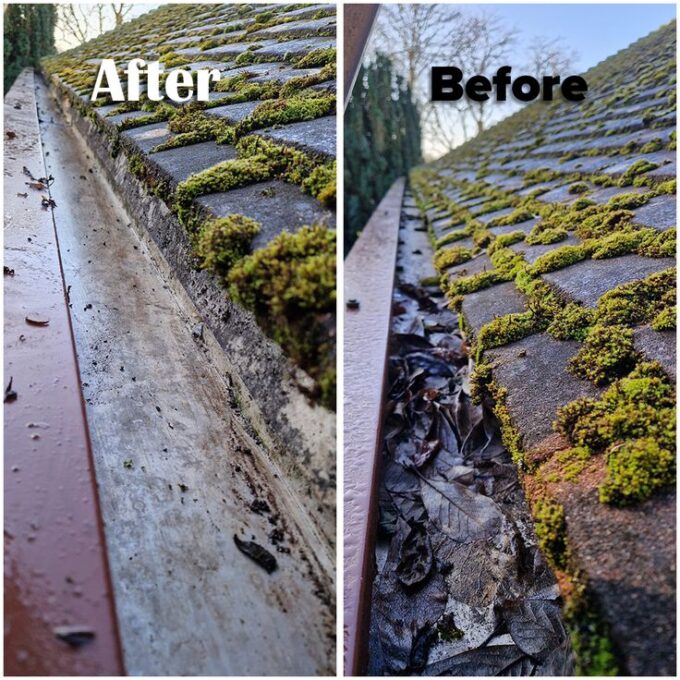
Gutters need clearing next, since debris buildup over winter can send water toward the foundation instead of away from it. Windows and doors deserve a look too. Worn weather stripping quietly drives up energy bills all year.
Summer: Outdoor Systems Take Priority
Warm, dry weather makes summer the easiest season for outdoor inspections. Servicing the air conditioning system before peak heat hits extends its lifespan and keeps energy costs in check.
Decks and patios deserve a walk-through for loose boards or rusted hardware. Trees and shrubs growing too close to the roofline or utility lines should get trimmed back before a storm makes that decision instead.
Interior Systems Need Attention Too
Exterior maintenance tends to get most of the attention, since damage there is easier to spot. Interior systems deserve the same regular checks, even when nothing looks obviously wrong.
Water stains on walls or ceilings almost always point to a leak somewhere upstream, even a slow one. Catching that early usually means a small repair instead of replacing drywall and insulation later.
Cabinets and utility closets are worth a periodic look too. Moisture problems often start in spaces nobody checks regularly, like under a kitchen sink or inside a pantry wall.
Build a Simple Tracking System
A maintenance plan only works if it actually gets followed. Digital calendar reminders, a basic spreadsheet, or a dedicated app all work fine, as long as the system gets checked regularly.
Seasonal checklists help avoid the common trap of only noticing maintenance needs once something already looks or feels wrong. By then, the cheaper window for fixing it has usually closed.
Keeping a simple log of what was done and when also pays off later, whether for warranty claims, insurance purposes, or simply remembering when a filter was last changed.
Fall: Prepare Before the Cold Sets In
Real estate advisor Julie Brittain-Sutter recommends walking the perimeter of a home’s foundation each fall, specifically checking for new cracks. That single habit catches problems while they’re still small and inexpensive to fix.
Gutters need a second cleaning as leaves pile up. Sealing gaps around window and door frames before winter cuts down on heat loss, and scheduling a furnace inspection now avoids the rush that hits HVAC companies once temperatures drop.
Winter: Focus on Safety and Moisture Control
Cold weather brings its own set of risks. Indoor humidity needs monitoring, since too much moisture invites mold, while overly dry air can damage wood furniture and flooring.
This connects to the same room-by-room thinking covered in our guide on how to make a small living room look bigger without renovating, where small, consistent changes add up to a noticeably better result over time.
Winter is also the right time to test smoke detectors and carbon monoxide alarms, and to check attics and crawl spaces for insulation gaps that let heat escape.
Plumbing Deserves Its Own Routine
Plumbing problems rank among the most common household repairs, and most are preventable with a bit of regular attention. Visible pipes should get checked for corrosion or small leaks that waste water quietly for months.
Water heaters need periodic inspection for rust, leaks, and sediment buildup, all of which shorten the unit’s working life if left unaddressed.
Don’t Overlook Electrical Safety
Outlets and switches that feel warm, spark, or show discoloration signal a problem worth addressing immediately, not eventually. GFCI outlets in kitchens, bathrooms, and outdoor areas should get tested regularly to confirm they’re actually working.
Overloaded extension cords are a fire risk hiding in plain sight in a lot of homes. Anything running long-term on an extension cord usually deserves a permanent outlet instead.
The Real Cost of Waiting
Reactive maintenance almost always costs more than the preventive version. Replacing a damaged section of roof is far cheaper than repairing the water damage that spreads through an attic after months of an unnoticed leak.
The same logic applies to HVAC systems. A routine service call costs a fraction of what a full replacement runs once a neglected unit finally fails.
Maintenance Protects More Than Comfort
Regular upkeep also affects resale value directly. Buyers tend to view a well-maintained home as a lower-risk purchase, and some real estate professionals estimate that consistent maintenance can protect up to 10 percent of a home’s resale value.
Keeping records of completed maintenance, even informally, gives future buyers real confidence in a property’s condition.
New Homeowners Face a Steeper Learning Curve
First-time buyers often underestimate just how much upkeep a property actually needs. That’s especially true after years of a landlord handling everything behind the scenes. This gap in experience is normal, and it closes quickly with a structured plan.
Starting with a full inspection of the roof, plumbing, electrical panel, and HVAC system gives a clear baseline. Knowing what condition each major system is in makes it much easier to budget for repairs down the road.
Exterior drainage deserves a look too, since new owners often don’t realize how much water management affects a foundation’s long-term health.
Small Habits Prevent Big Bills
A dripping faucet or a slightly loose shingle rarely feels urgent in the moment. That’s exactly why these small issues tend to snowball, quietly turning into far more expensive repairs once enough time passes.
Addressing problems as soon as they’re noticed, rather than filing them away as “someday” tasks, is one of the simplest habits that separates low-maintenance-cost homeowners from those constantly dealing with emergencies.
Waiting until something actually breaks is almost always the more expensive path. A servicing call costs far less than an emergency replacement, and that gap only grows with bigger systems like HVAC units or water heaters.
Frequently Asked Questions
How often should gutters be cleaned?
At least twice a year, once in spring and again in fall, catches most of the debris buildup that leads to drainage problems.
What’s the most important maintenance task overall?
Roof inspections, plumbing checks, and HVAC servicing tend to prevent the most expensive repairs when handled consistently.
Is a maintenance budget really necessary?
It helps. Setting aside a small percentage of a home’s value each year for upkeep avoids financial surprises when something eventually needs attention.
Final Thoughts
A structured maintenance routine doesn’t need to be complicated. Spreading tasks across the seasons keeps the workload manageable and catches small problems long before they become expensive ones. Consistency matters more than intensity here.