
🪴 Hidden Plant Decor Ideas
In modern interior design, plants are no longer used only as decorative accessories. Today, homeowners and designers are searching for more sophisticated ways to integrate nature into living spaces. Because of this, hidden plant decor ideas have become one of the most innovative trends in contemporary homes.
Unlike traditional decorating methods where plants are displayed openly on shelves, tables, or window corners, hidden greenery focuses on subtle integration. Instead of immediately drawing attention, plants become part of the structure itself. As a result, the home feels calmer, more refined, and visually balanced.
Over the last few years, many minimalist interiors started embracing hidden natural elements. This approach creates depth without clutter while also making rooms feel softer and more organic. Furthermore, hidden greenery introduces a sense of discovery inside the home, allowing people to experience the environment in a slower and more immersive way.
Because modern homes often prioritize simplicity, hidden plant decor ideas work exceptionally well in contemporary spaces. They add life without overwhelming the room.
Why Hidden Plant Decor Ideas Feel More Sophisticated
Traditional decorating often relies on visibility. Everything is displayed clearly and immediately. However, when too many objects compete for attention, interiors can quickly feel chaotic.
Hidden greenery changes this completely.
Instead of becoming the center of attention, plants quietly enhance the environment. Consequently, the space feels more intentional and harmonious.
There are several reasons why this design strategy feels more sophisticated:
- It reduces visual clutter
- It creates smoother transitions between elements
- It adds softness to hard architectural surfaces
- It improves spatial depth
- It encourages a calmer atmosphere
Additionally, partially hidden greenery creates a more natural flow throughout the home. Since nature rarely appears perfectly organized outdoors, this subtle irregularity makes interiors feel more authentic.
Many modern interior trends featured on Curiosa da Web also highlight how natural integration can improve the comfort and elegance of contemporary homes.
The Psychology Behind Hidden Greenery
One of the biggest reasons hidden plant decor ideas are so effective is psychological.
The human brain responds differently to spaces that reveal details gradually.
When every decorative object is fully exposed, the brain processes the environment very quickly. While this may seem efficient, it can also create mental fatigue. On the other hand, partially concealed elements encourage slower visual exploration.
Because of this, hidden greenery creates:
- A calmer emotional response
- A stronger sense of comfort
- Greater visual curiosity
- Improved spatial perception
- A more luxurious atmosphere
Furthermore, subtle greenery often feels more immersive than traditional plant displays. Instead of simply observing plants, people experience them as part of the architecture itself.
The Core Principles of Hidden Plant Decor Ideas
To successfully create hidden greenery, it is important to understand the main principles behind this design philosophy.
1. Integration Over Decoration
Plants should not feel disconnected from the room.
Instead, they should blend naturally into:
- Furniture
- Walls
- Shelving
- Staircases
- Architectural niches
- Structural details
Because of this, the greenery feels intentional instead of decorative.
2. Partial Visibility
One of the most important concepts in hidden plant decor ideas is controlled exposure.
Ideally, only part of the plant should remain visible.
For example:
- Leaves extending behind furniture
- Greenery emerging from wall openings
- Plants partially hidden inside shelves
- Hanging vines appearing from ceiling recesses
This technique creates elegance through subtlety.
3. Layered Design
Layering is essential for achieving a sophisticated hidden plant effect.
A successful layered design usually includes:
Structural Layer
Walls, floors, and permanent architectural elements.
Functional Layer
Furniture and practical objects.
Organic Layer
Hidden greenery and natural textures.
Movement Layer
Leaves, shadows, and soft plant extensions.
Together, these layers create depth and visual softness.
Best Hidden Plant Decor Ideas for Living Rooms
The living room is one of the best spaces to experiment with hidden greenery.
Because it is usually the social center of the home, subtle natural elements help create a more welcoming atmosphere.
Behind-Sofa Greenery
One of the simplest ideas involves placing plants behind the sofa.
This works especially well with:
- Tall leafy plants
- Soft tropical species
- Indirect lighting
Only the upper leaves remain visible, creating a soft backdrop without overwhelming the room.
Recessed Wall Plants
Built-in wall niches allow greenery to blend directly into the architecture.
Benefits include:
- Cleaner visual flow
- Better space optimization
- Modern minimalist aesthetics
Additionally, recessed greenery works beautifully with indirect lighting systems.
Hidden Shelf Greenery
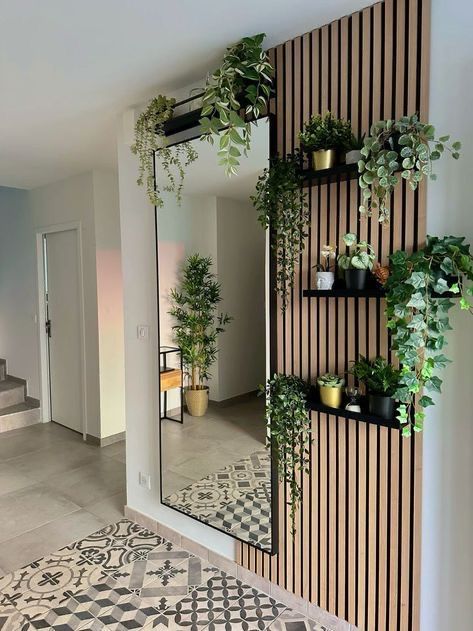
Shelves can include integrated plant spaces between decorative objects.
This creates:
- More balanced composition
- Natural texture variation
- Softer geometric lines
For inspiration about combining decor layers naturally, many designers also reference concepts discussed by The Spruce in modern interior trends.
Hidden Plant Decor Ideas for Bedrooms
Bedrooms benefit enormously from subtle greenery because hidden plants help create a calmer and more peaceful atmosphere.
Headboard Integration
Plants positioned behind headboards create a soft natural effect.
Best choices include:
- Snake plants
- Pothos
- Philodendrons
- Peace lilies
These plants work well in lower-light conditions.
Floating Nightstand Greenery
Small hidden planters below floating furniture create elegant visual contrast.
This design feels:
- Minimalist
- Modern
- Lightweight
- Sophisticated
Additionally, indirect lighting can enhance the effect during nighttime.
Hidden Ceiling Corners
Ceiling recesses can include trailing greenery that extends softly downward.
This creates:
- Vertical depth
- Organic movement
- Visual softness
Kitchen Hidden Plant Decor Ideas
Kitchens often feel cold because of hard materials like metal, stone, and tile. Hidden greenery helps soften the environment naturally.
Under-Cabinet Herb Gardens
Herbs can remain partially concealed below cabinets.
Popular choices include:
- Basil
- Mint
- Thyme
- Rosemary
This solution combines functionality with aesthetics.
Recessed Open Shelves
Plants hidden within shelving systems create depth while preserving clean kitchen lines.
Because kitchens already contain many objects, subtle greenery works better than large visible plants.
Hidden Plant Decor Ideas for Bathrooms
Bathrooms are perfect for hidden greenery because humidity naturally supports many tropical species.
Shower Wall Niches
Plants integrated into recessed shower niches create spa-like environments.
Ideal plants include:
- Ferns
- Mosses
- Bamboo
- Small tropical species
Floating Vanity Integration
Greenery hidden beneath floating vanities creates elegant shadows and depth.
This modern approach works exceptionally well with soft LED lighting.
Hidden Plant Decor Ideas for Small Spaces
Small homes benefit greatly from hidden greenery because it prevents visual overload.
Vertical Plant Lines
Thin vertical plant strips maximize greenery without consuming floor space.
This works well in:
- Apartments
- Hallways
- Studio layouts
- Compact living rooms
Multi-Functional Furniture
Furniture with integrated plant sections creates cleaner interiors.
Examples include:
- Coffee tables with hidden greenery
- Plant-integrated benches
- Shelving systems with concealed planters
These ideas improve both functionality and aesthetics.
Architectural Hidden Plant Concepts
Advanced hidden greenery can become part of the architecture itself.
Staircase Plant Integration
Plants beneath staircases create natural transitions between levels.
This area is often underused, making it ideal for hidden greenery.
Floor Recessed Gardens
Some modern homes include narrow plant channels integrated directly into the floor.
This creates dramatic visual impact while maintaining minimalist aesthetics.
Hidden Ceiling Gardens
Ceiling recesses with greenery create highly sophisticated interiors.
This technique works especially well in modern luxury homes.
Choosing the Right Plants for Hidden Decor
Not every plant works well in concealed environments.
The best species for hidden plant decor ideas usually include:
Low-Light Plants
These survive well in partially concealed spaces.
Examples:
- ZZ plant
- Snake plant
- Pothos
- Peace lily
Slow-Growing Plants
Fast-growing plants may quickly overwhelm hidden spaces.
Therefore, controlled-growth species are usually better.
Plants With Soft Movement
Plants with flowing leaves create more natural visual transitions.
Examples include:
- Ferns
- Ivy
- Philodendrons
Lighting Techniques for Hidden Plant Decor Ideas
Lighting dramatically affects how hidden greenery appears.
Indirect LED Lighting
Soft LED strips help highlight leaves subtly without exposing the entire plant.
This creates:
- Shadows
- Depth
- Texture
- Warm ambiance
Natural Light Diffusion
Filtered sunlight creates softer plant visibility throughout the day.
Because of this, sheer curtains work exceptionally well near hidden greenery.
Night Shadow Effects
At night, shadows become part of the design itself.
This creates a calming and immersive atmosphere.
Common Mistakes to Avoid
Although hidden plant decor ideas look simple, some mistakes can reduce their impact.
Overcrowding
Too many plants destroy the subtle effect.
Minimalism is essential.
Excessive Visibility
If the entire plant becomes exposed, the hidden concept disappears.
Partial concealment works best.
Poor Drainage Planning
Integrated greenery requires careful watering solutions.
Always plan:
- Drainage
- Ventilation
- Accessibility
- Moisture control
Why Hidden Greenery Works So Well in Modern Homes
Modern interiors often rely heavily on:
- Concrete
- Stone
- Glass
- Metal
While these materials look elegant, they can also feel emotionally cold.
Hidden greenery introduces softness without compromising minimalism.
As a result, interiors feel:
- More welcoming
- More relaxing
- More balanced
- More natural
The Emotional Benefits of Hidden Plant Decor Ideas
Beyond aesthetics, hidden greenery also affects emotional well-being.
Studies consistently show that natural elements help reduce stress and improve comfort.
Because hidden greenery appears subtly, the effect often feels even more calming.
Benefits include:
- Improved relaxation
- Better focus
- Reduced visual stress
- Enhanced emotional comfort
Additionally, nature-inspired interiors tend to feel timeless instead of trend-based.
Long-Term Evolution of Hidden Plant Designs
One fascinating aspect of hidden greenery is that the design evolves naturally over time.
Plants grow gradually.
Leaves change direction.
Shadows shift throughout the day.
Because of this, the interior never feels static.
Instead, it becomes a living environment that continuously changes in subtle ways.
Final Thoughts
In the end, hidden plant decor ideas represent a smarter and more refined way of integrating nature into modern homes.
Rather than treating plants as isolated decorative objects, this philosophy blends greenery directly into the architecture itself. Consequently, interiors feel calmer, softer, and more intentional.
Additionally, hidden greenery improves depth, balance, and visual harmony without overwhelming the space.
As modern design continues moving toward simplicity and wellness-focused living, subtle natural integration will likely become even more important in contemporary interiors.
By carefully combining plants, lighting, architecture, and layered design, you can create a home that feels elegant, immersive, and naturally alive.