
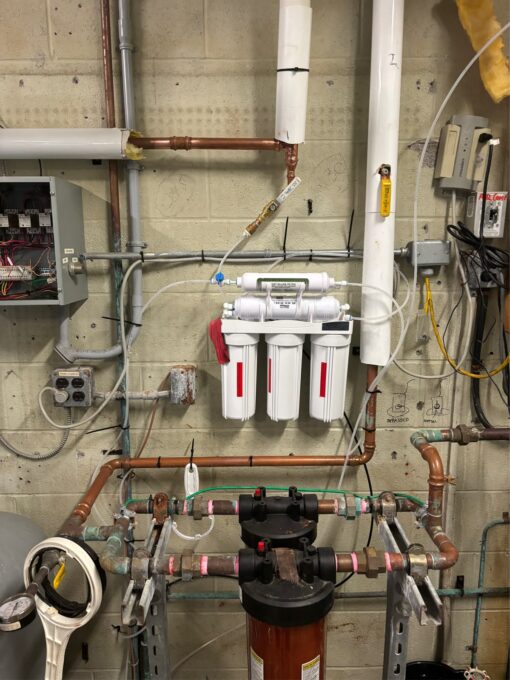
Hot Water Automation: Pros and Cons
Most people don’t think about their hot water system until it fails them — a cold shower on a Monday morning, a water bill that keeps creeping up, or a pilot light that won’t stay lit. Hot water automation is quietly solving all three of these problems at once, and in 2026 it’s moved from a luxury add-on to a practical upgrade that ordinary households are choosing.
Having spent time talking to installers and homeowners who’ve made the switch over the past two years, one thing stands out: the appeal isn’t the “smart” label itself. It’s the fact that a well-installed automated hot water system removes a small daily annoyance that most of us have simply learned to live with.
This guide breaks down what hot water automation really is, how it performs in real homes, what it costs, where it goes wrong, and whether it’s actually worth it for your household.
What Hot Water Automation Really Means
At its simplest, hot water automation refers to technology that controls when, how much, and at what temperature water is heated — without you having to adjust a dial or wait for it to catch up.
A typical setup combines a few components working together:
- Smart thermostats that hold a precise, consistent temperature
- Flow sensors that detect when hot water is being requested
- Recirculation pumps that keep hot water close to the tap instead of sitting in a cold pipe
- App or voice integration for scheduling and remote control
None of these parts is new on its own — recirculation pumps have existed for decades. What changed in the last few product generations is that they now talk to each other, which is what actually eliminates the wait.
The Detail Most Guides Skip
The biggest misconception is that automation is only about convenience. In practice, the bigger win is eliminating standby loss — the energy wasted keeping a full tank hot around the clock, even at 3 a.m. when nobody’s using it. A system that heats water in response to actual demand, rather than on a fixed schedule, is where most of the real savings come from.
Why Adoption Is Accelerating in 2026
A few forces are pushing this technology from niche to mainstream:
- Utility costs are rising, and homeowners are paying closer attention to where energy actually goes.
- Sustainability has become a household priority, not just a corporate talking point — people want to see their water and energy use go down, not just hear about it.
- Smart home ecosystems have matured. Hot water systems can now sync with thermostats, lighting, and voice assistants instead of running as an isolated gadget.
The U.S. Department of Energy has noted that water heating typically accounts for a significant share of a home’s total energy use, which is part of why efficiency-focused upgrades in this category get so much attention from both manufacturers and regulators.
The Real Benefits (Not Just the Marketing Version)
| Benefit | What It Actually Looks Like Day-to-Day |
|---|---|
| Instant hot water | No more 30–60 second wait at the tap or showerhead |
| Lower water waste | Less water dumped down the drain waiting to heat up |
| Energy efficiency | Heating tied to actual usage, not a fixed all-day cycle |
| Stable temperature | No sudden cold bursts or scalding spikes |
| Leak detection | Abnormal flow triggers an alert before damage spreads |
| Remote control | Schedule or adjust heating from your phone, even away from home |
The leak detection feature deserves more attention than it usually gets. A slow leak behind a wall can go unnoticed for months with a traditional heater. Flow-sensing automation can flag that irregular pattern almost immediately, which is often the difference between a quick repair and a drywall replacement.
If you’re already updating your bathroom setup, pairing automation with efficient fixtures — like the options covered in our guide to modern shower systems — tends to produce a noticeably better result than upgrading either one on its own.
The Trade-Offs Nobody Puts on the Box
No upgrade is free of downsides, and hot water automation has a few worth weighing seriously.
Upfront cost is the biggest barrier. Equipment, sensors, and installation labor add up quickly, and older homes sometimes need plumbing adjustments to accommodate the new components.
Maintenance looks different, not necessarily lighter. Sensors need occasional recalibration, and firmware updates matter — skipping them can lead to inaccurate readings over time.
Connectivity dependence is real. If your Wi-Fi goes down, app-based scheduling and remote monitoring pause until it’s back, even though basic hot water delivery usually keeps working.
Repairs can require a specialist. Diagnosing a sensor fault isn’t the same as fixing a leaky valve, and not every plumber is equipped to troubleshoot the software side yet.
Installation: Where Most Systems Succeed or Fail
Ask any installer and they’ll tell you the same thing — the hardware rarely underperforms; poor installation does.
| Factor | Professional Installation | DIY Installation |
|---|---|---|
| Best for | Multi-bathroom homes, larger systems | Small apartments, plug-and-play units |
| Sizing accuracy | High — calculated for your home | Depends on user research |
| Risk of leaks | Low | Moderate to high if rushed |
| Electrical safety | Handled to code | User responsibility |
| Long-term efficiency | Optimized layout | Variable |
Three installation mistakes come up again and again: placing the recirculation pump too far from the main fixtures, skipping pipe insulation (which quietly bleeds heat), and miscalibrating sensors during setup. Each of these can cancel out a meaningful chunk of the system’s efficiency gains, even when the unit itself is high quality.
What It Actually Costs
Pricing varies by home size and system complexity, but the general cost structure includes:
- The smart heater or controller unit
- Sensors and control valves
- A recirculation pump (if not already present)
- Installation labor, which usually makes up a large share of the total
The payoff comes gradually: reduced standby energy loss, lower water waste, and early leak detection that can prevent costly repairs down the line. This is a long-term efficiency investment rather than a quick-payback upgrade — homeowners expecting to recoup the cost in a few months are usually disappointed, while those planning to stay in the home for years tend to see it pay off.
Is It Right for Your Home?
Use this quick framework before deciding:
- How many people use hot water daily? More users generally means faster payback.
- How far are your bathrooms from the water heater? Longer runs make automation more impactful.
- Do you want full app-based control, or just faster hot water? This determines which tier of system makes sense.
- Are other upgrades planned? Combining automation with other efficiency projects tends to maximize the return.
Households with one or two low-usage occupants and short pipe runs often see a slower return on investment — a simpler, non-connected efficient heater may be the more sensible choice for them.
Maintenance: What Ongoing Care Looks Like
Once installed, upkeep isn’t demanding, but it isn’t zero either:
- Basic sensor and flow checks every few months
- A full system inspection annually
- Software or firmware updates as they’re released
- Periodic flushing to prevent sediment buildup
Skipping this maintenance doesn’t cause immediate failure, but it does gradually erode the efficiency gains that justified the investment in the first place.
Where This Technology Is Heading
A few developments are already shaping the next generation of systems:
- Predictive heating, where the system learns household routines and preheats water just before it’s typically needed
- Solar and hybrid integration, pairing automation with renewable energy sources
- Remote diagnostics, flagging potential failures before they cause damage
- Stricter efficiency standards, pushing automation from optional to expected in new builds
Frequently Asked Questions
Does hot water automation work with any water heater? Most systems are compatible with tank and tankless heaters, though tankless units generally integrate more smoothly with demand-based automation.
Will it actually lower my utility bill? In most cases, yes — mainly by cutting standby energy loss and reducing wasted water, though the exact savings depend on household size and usage habits.
Is professional installation always necessary? Not always. Small, single-point systems can sometimes be installed without a professional, but multi-bathroom or whole-home setups almost always benefit from expert installation.
What happens if the Wi-Fi goes down? Basic hot water delivery typically continues to function; only app-based scheduling and remote features are temporarily affected.
How long do these systems typically last? With regular maintenance, core components can last as long as a standard water heater, though sensors and pumps may need replacement sooner.
Final Verdict
Hot water automation isn’t a trend — it’s a practical response to rising energy costs and a growing expectation of convenience at home. It makes the most sense for medium to large households with multiple daily users and longer pipe runs, where the efficiency gains are easiest to feel and measure.
For smaller households with minimal hot water demand, a simpler, non-connected efficient heater may deliver most of the benefit without the added cost and complexity. The right choice ultimately comes down to matching the system to how your household actually uses hot water — not to the most feature-packed option on the shelf.